The first change to the FOMC’s eight-meeting schedule since 1981 raises questions on nimbleness
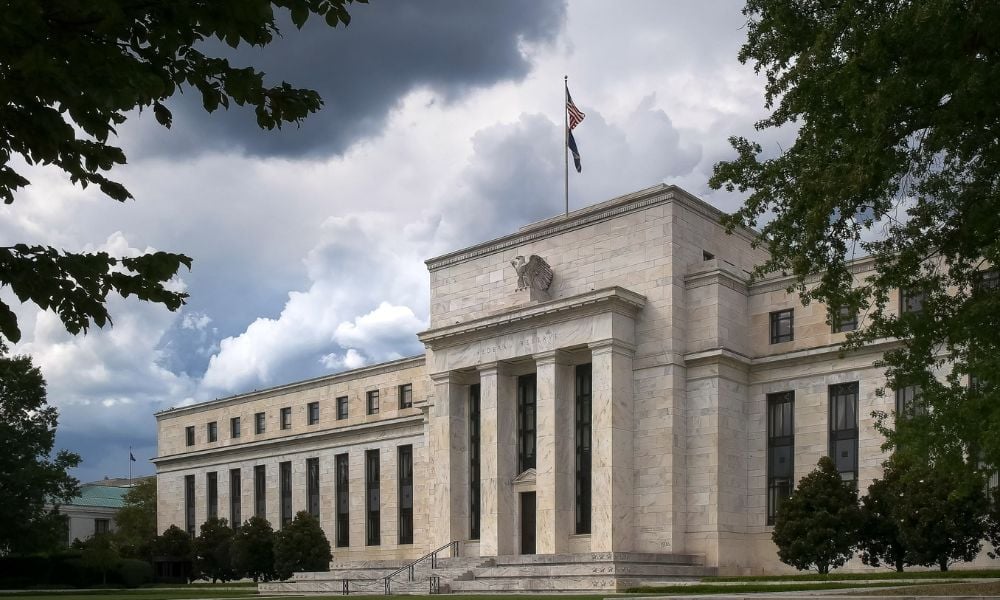
The Federal Reserve will hold fewer interest rate decisions in coming years, chairman Kevin Warsh announced Wednesday, reshaping a calendar investors have watched for decades.
Starting in autumn 2027, one of the Fed’s eight annual meetings will focus on broad economic questions instead of voting on rates. That number will rise to two in 2028.
For wealth professionals, the change could alter how often client portfolios face a scheduled rate decision, and how advisors explain central bank news.
Seven rate votes in 2027, six in 2028
Warsh made the announcement after the Fed left its rate unchanged at 3.75% to 4.00%. The Federal Open Market Committee (FOMC) has held eight scheduled meetings a year since 1981, NBC News reported.
“We believe eight meetings per year is the right number for the (Federal Open Market Committee), but in 2027, one meeting will focus exclusively on broad monetary policy strategy, with neither a vote on the federal funds rate nor a policy statement anticipated,” Warsh said at a press conference. “The rest will be regular FOMC policy setting meetings, and I expect that in 2028 we’ll have two meetings dedicated to discussions of strategy and six ...”
In short, the Fed plans:
- Seven rate-setting meetings in 2027
- Six rate-setting meetings in 2028
- One strategy meeting in 2027 and two in 2028
Warsh said the goal is to spend more time on longer-term issues and less on the immediate rate environment. “Getting policy right involves assessing near-term developments at timely, regular and information-rich intervals,” he said. “But it’s equally important we reserve time and space as an intellectually diverse group for strategic deliberations, for thinking anew about big questions, looking out over longer time horizons.”
Warsh began seriously discussing fewer meetings in July, according to the FOMC’s minutes. He argued that a longer gap would let the committee gather more data on the economy. The minutes referred to six meetings a year at that stage.
Which meetings will be affected has not been announced. Omair Sharif, president of Inflation Insights, said he believes next October’s meeting will be the first without rate deliberations.
Less nimble, less guidance?
Cutting rate-setting meetings has long been debated over concerns about shortsightedness. It was never enacted over fears that the Fed would become less nimble in reacting to sudden economic changes, NBC News reported.
The central bank can still act between meetings. Kenneth Kim, a KPMG senior economist, said the plan “does not rule out possible inter-meeting policy moves because of potential exigent circumstances.”
NBC News reported that the change would make the Fed unique among major central banks, including the Bank of England and the Bank of Japan.
Warsh took over the Fed in May. He has dramatically shortened the FOMC’s policy statement and declined to give “forward guidance,” which includes forecasts about future inflation and unemployment.
For advisors, fewer scheduled decisions and little forward guidance may mean fewer predictable moments for repricing and client updates.
The announcement came as the Fed held rates after raising them in September for the first time in over three years.
North of the border, the Bank of Canada raised its policy rate to 2.5% the same day. Its next decision is scheduled for Dec. 9.