Oil above $108 as escalation fears rattle global equities as investors brace for prolonged energy shock
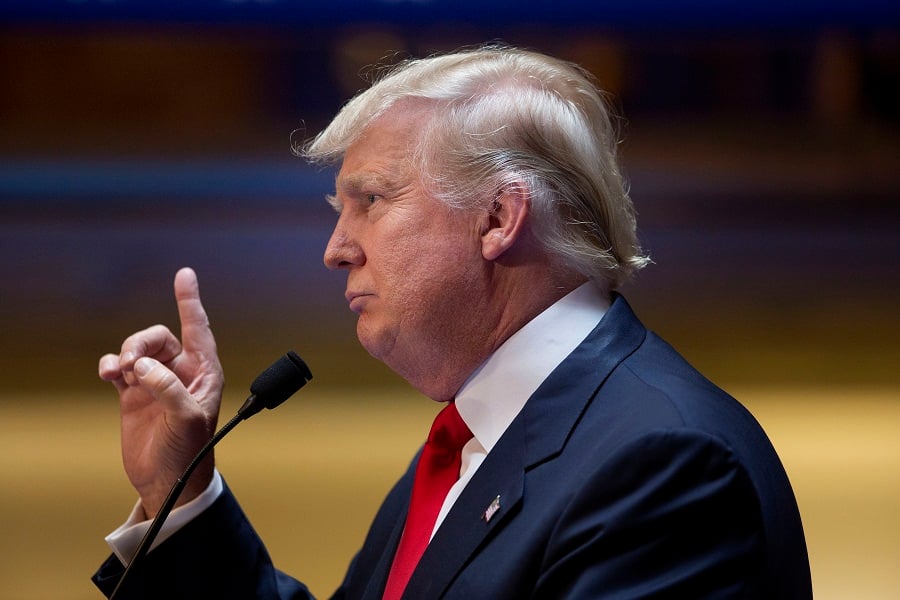
Global markets tumbled Thursday while oil surged past $108 a barrel after President Donald Trump signaled an extended military campaign in Iran, dashing investor expectations for a near-term resolution and intensifying concerns over global energy supply.
Equities across Asia and Europe retreated sharply, reversing earlier optimism, as traders reacted to the absence of a clear de-escalation plan in Trump’s latest address. US equity futures were off by more than 1% at 6am ET although energy stocks gained amid expectation of continued upward pressure on prices.
Oil prices jumped almost 7% reflecting mounting fears that disruptions tied to the conflict could persist or worsen. Brent crude climbed above $108, with analysts warning prices could rise further if geopolitical tensions continue to threaten key shipping routes.
The shift in sentiment followed Trump’s pledge to intensify military action in the coming weeks, a stance that undercut hopes for a diplomatic breakthrough. Investors had been anticipating signals that would reopen the Strait of Hormuz — a critical artery for global oil flows — but instead received indications the conflict may drag on.
Risk assets quickly sold off as markets recalibrated expectations. Asian stocks led declines, while U.S. futures also pointed lower after the speech, underscoring the fragility of investor confidence.
At the same time, safe-haven demand picked up, with the U.S. dollar strengthening as investors rotated away from equities and other risk-sensitive assets.
Oil’s surge reflects growing concern about supply disruptions tied to the ongoing conflict, particularly as tensions escalate around critical energy infrastructure and shipping lanes. Analysts say the lack of a defined timeline for ending hostilities leaves markets vulnerable to further volatility.
Hopes for a swift resolution have also faded on the diplomatic front. Iran has rejected ceasefire overtures, while backchannel negotiations have yet to produce tangible progress, adding to uncertainty for investors and policymakers alike.
The broader economic implications are beginning to take shape. CNBC reported that rising energy costs are fueling inflation concerns globally, raising the prospect of prolonged “war-driven” price pressures that could complicate central bank policy and weigh on growth.
For markets, the message is that absent a credible path toward de-escalation, geopolitical risk — and the oil shock accompanying it — is once again taking center stage.