A US-backed shipping lane along Oman’s coast carries more Gulf oil
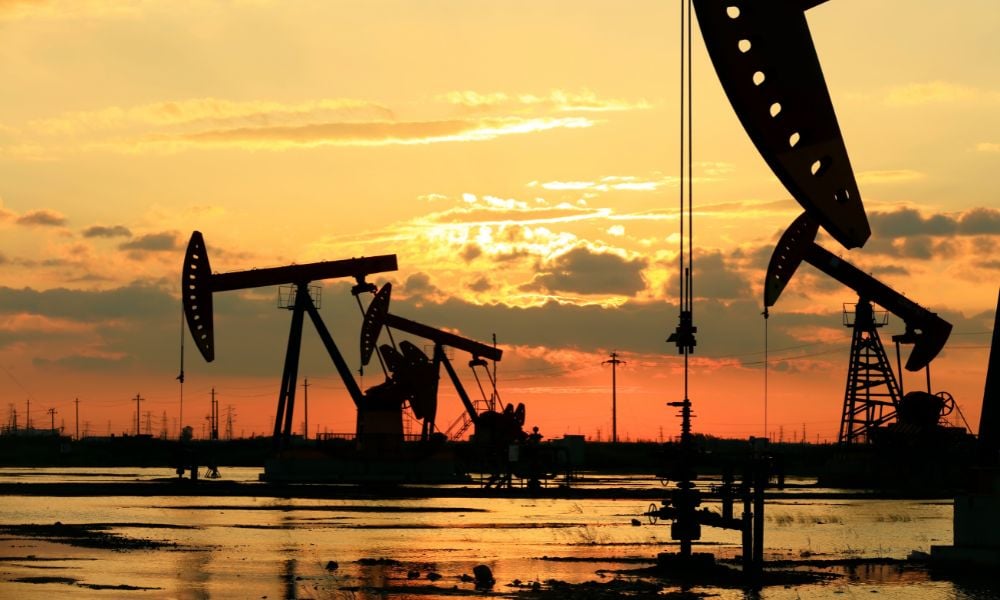
Saudi Arabia is exporting 6 million barrels per day (bpd) of crude oil in September, its highest level since the Iran war began about seven months ago.
That pace matches the kingdom’s monthly average for 2025, according to trade intelligence firm Kpler. It is nearly 80% above the 3.4 million bpd shipped in August. The rise came after Saudi Arabia closed its East-West oil pipeline this month, following damage from a drone attack launched from Iraq, and amid a sharp escalation in fighting with Iran-backed militants.
Pipeline outage, Hormuz reroute
Since the war disrupted flows through the Strait of Hormuz, Riyadh had used the pipeline to reroute about 4 million bpd, roughly 4% of global supply, to the Red Sea port of Yanbu, Reuters reported.
Brent crude jumped to nearly US$110 per barrel after the pipeline shut, CNBC reported. Prices later pulled back as investors grew more confident the outage was less disruptive than feared.
The Saudis have since sent crude back through Hormuz, where the US military has carved out a shipping lane along Oman’s coast. Other Gulf states have relied on that route for months, though CNBC noted the journey remains dangerous because Iran continues to attack tankers.
Oil exports through Hormuz reached a seven-day average of 13.2 million bpd on Wednesday, according to Kpler. That compares with about 17 million bpd before the war.
“The ramp-up from the Mideast Gulf is a consequence of the pipeline outage, but it likely also signals a greater confidence in using the Strait of Hormuz given rising traffic,” said Matt Smith, director of commodity research at Kpler.
Pipeline status unclear
Industry sources told Reuters the pipeline restarted at low volumes earlier this week and is ramping up. Saudi Arabia has not publicly confirmed the restart.
In its Sept. 22 report, Reuters said Saudi Aramco was seeking to restore flows to about 4 million bpd. The line’s capacity is 7 million bpd. One security source said a full return to normal operations could take six to eight weeks.
Saudi Aramco CEO Amin Nasser told Japan’s Nikkei on Thursday that “temporary interruptions” to oil infrastructure last “usually for days, not weeks or months ... on every occasion.” He declined to give a specific update on the pipeline.
Prices and talks
Brent fell by more than US$2 to about US$97 Sept. 22, its lowest since Sept. 8, Reuters reported, as the restart was reported.
Prices have since climbed again. Brent gained about 3% to US$107.34 in early trading Monday after President Donald Trump rejected a conditional Iranian offer to reopen the Strait of Hormuz within seven days, CNBC reported. Iran’s conditions included lifting the US naval blockade and releasing frozen assets.
“They made a proposal but I rejected it,” Trump told reporters, according to CNBC. He has said he expects negotiations to resume this week.
Inflation and rates in Canada
Canada’s annual inflation rate held at 3% in August. Gasoline prices were up 22.8% from a year earlier, slower than the 25.7% rise in July, Statistics Canada said, according to BNN Bloomberg. Excluding gasoline, consumer prices rose 2.4%.
The Bank of Canada held its policy rate at 2.25% Sept. 2. Its next decision is Oct. 28. After the inflation report, traders put the odds of an October hike at about 75%. It added that some economists, including TD’s Leslie Preston, said rate-hike expectations may be premature given slow growth and core inflation near 2%.