Markets set for relief as four-month conflict ends, but nuclear talks and sanctions still unresolved
The United States and Iran have agreed to halt military operations across all fronts, bringing a near four-month war to a close, with a formal signing ceremony scheduled for June 19 in Switzerland, according to multiple reports Sunday.
Pakistan Prime Minister Shehbaz Sharif, whose country served as a key mediator throughout the conflict, confirmed the agreement on social media. "Following intensive talks, we are pleased to announce that the Peace Deal between the United States of America and Islamic Republic of Iran has been REACHED," Sharif wrote on X. "The official signing ceremony will be on Friday, 19 June in Switzerland."
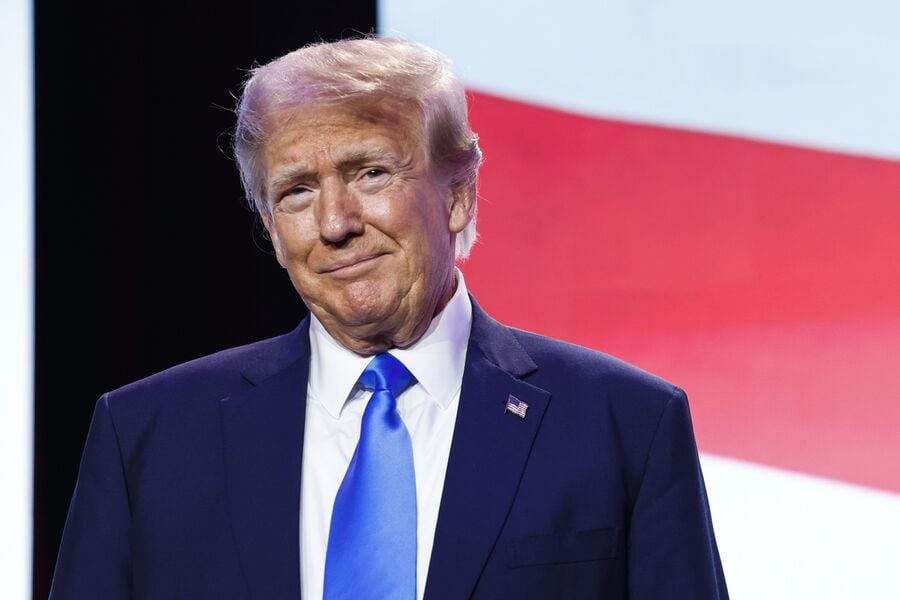
President Donald Trump quickly confirmed the breakthrough on Truth Social. "The Deal with the Islamic Republic of Iran is now complete. Congratulations to all! I hereby fully authorize the toll free opening of the Strait of Hormuz, and, simultaneously herewith, authorize the immediate removal of the United States Naval blockade," he wrote. "Ships of the World, start your engines. Let the oil flow!"
The agreement calls for the immediate and permanent end to military operations, including in Lebanon, Sharif said. Pakistan said mediators would now facilitate a series of pre-implementation meetings ahead of the official signing. "These pre-implementation discussions will lay the foundation for the technical talks and the official signing ceremony," Sharif added.
Iran did not immediately issue a public statement confirming the deal, and the full text of the agreement has not been released, the New York Times reported. The accord is understood to include a 60-day ceasefire framework, with both governments separately committing to continued negotiations over Iran's nuclear programme and US sanctions relief during that window. Those issues, widely seen as the most contentious in the entire conflict, remain unresolved.
The deal almost stalled as Israel continued its attacks on Lebanon, which was publicly criticized by Trump. Israel, which was not a direct party to the US-Iran negotiations, has maintained it will continue operations if Hezbollah attacks its territory. It was not immediately clear whether Israel had agreed to stand down in Lebanon.
The Strait of Hormuz, one of the world's most strategically significant oil shipping routes, has been effectively closed since the conflict began in late February. The blockade has squeezed global supply chains for oil, natural gas and fertilisers, driving up prices and reigniting fears of stagflation. In the US, annual inflation reached 4.2% in May, its highest reading in three years, according to CNBC.
A draft 14-page memorandum reported by Iranian state media on Friday had outlined proposed terms including US sanctions relief and Iran's commitment to reopening the strait within 30 days, CNBC reported. Sunday's agreement appears consistent with those terms, though full details are yet to be confirmed by either government.