Wealth managers eye rate outlook as counter-tariffs take effect
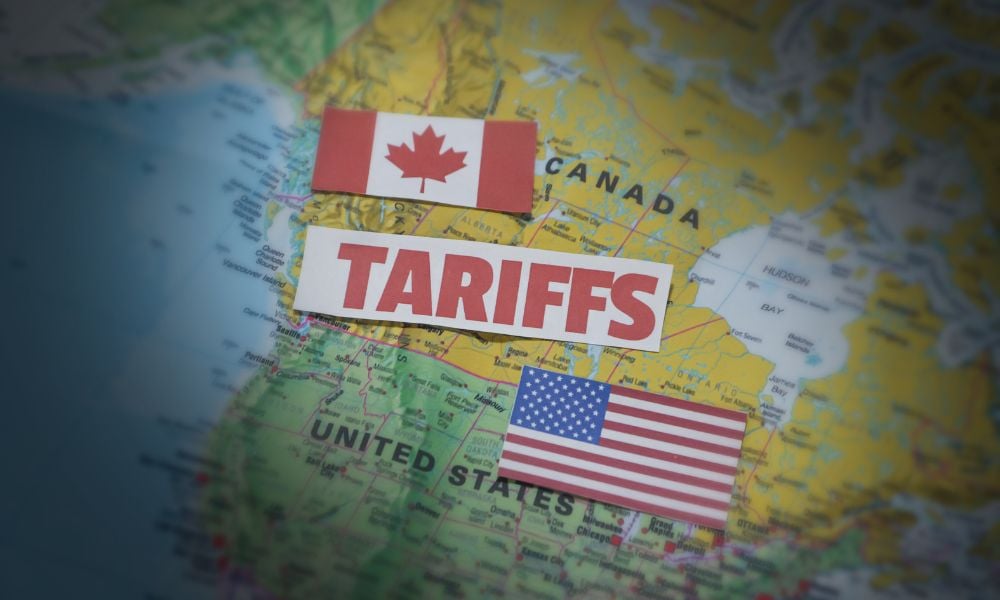
Canada's reciprocal tariffs on US goods took effect Sept. 8, but economists say the measures are unlikely to significantly stoke inflation, a signal that may ease near-term pressure on interest rate expectations that shape fixed-income strategy.
The federal government's reciprocal tariffs, ranging from 15% to 50%, apply to imports from the United States, including dairy, cosmetics, clothing and textiles, matching the dollar value of duties the US imposed under Section 338 of the Tariff Act of 1930 on Aug. 22. About 20% of all items affected are consumer products, KPMG chief economist Ali Jaffery said, which is small enough to keep a lid on overall inflation in the coming months.
"Tariffs are reasonably well designed to limit both the economic damage, but also the price pressures that Canadians will face," Jaffery said in an interview.
Inflation outlook steadies rate expectations
Bank of Canada Governor Tiff Macklem said Sept. 2 that inflation risk is on the rise, with higher energy costs topping Canada's incoming dollar-for-dollar tariffs on US goods as the biggest potential driver of rising prices for consumers and businesses. In a statement, the central bank said upside risks to inflation have increased while new tariffs make growth prospects more uncertain, adding that further US tariffs could jeopardize the sustainability of Canada's economic recovery.
Loblaw Cos. Ltd. chief executive Per Bank told The Canadian Press that the limited scope of the new duties is "good news" for consumers.
"Last year, more than 5,000 food and non-food products were affected, generally at tariffs of around 25%. This time, we expect roughly half as many products to be impacted and very few food products," he said, adding that the impact "will also be more concentrated" in health and beauty categories, including fragrance, makeup and hair-styling products, as well as paper goods.
Desjardins principal economist Florence Jean-Jacobs wrote in a report Tuesday that counter-tariffs "are therefore unlikely to put significant pressure on food inflation and should help grocery retailers and food service operators avoid squeezed profit margins."
She noted that tariffs the US has imposed on Canadian exports could also leave more domestic supply available to Canadian retailers.
Diversification over reaction, advisors say
The tariff rollout adds another data point to an already complex rate environment. Edward Jones Canada, in a market note, said the pass-through from Section 338 tariffs has been modest so far, and that its base case remains one of continued, if slower, economic growth rather than recession. The firm noted the TSX has gained more than 50%, including dividends, since 2025 despite the increasingly protectionist direction of US trade policy, and said investors are best served by maintaining a well-diversified portfolio aligned with their goals and risk tolerance rather than making shifts driven by headlines.
Bank of Canada projections show the average US tariff rate on Canadian imports at roughly 5.0%, against Canada's average tariff rate on US imports of 1.5%. Canada's headline inflation rate stood at 3.0% in July 2026, driven mainly by higher gasoline prices tied to the conflict in the Middle East rather than tariffs. Separately, the bank has said its overall 2026 CPI projection is about 0.3 percentage points higher than it forecast in January, an increase it attributes mainly to energy costs.
Jaffery said retailers will likely need an adjustment period to find substitutes as products facing higher tariffs see softer demand, a dynamic Jean-Jacobs said could push retailers to reduce the number of US products on their shelves over time.