Carney government tests privatization options while critics warn of higher costs and weaker regional links
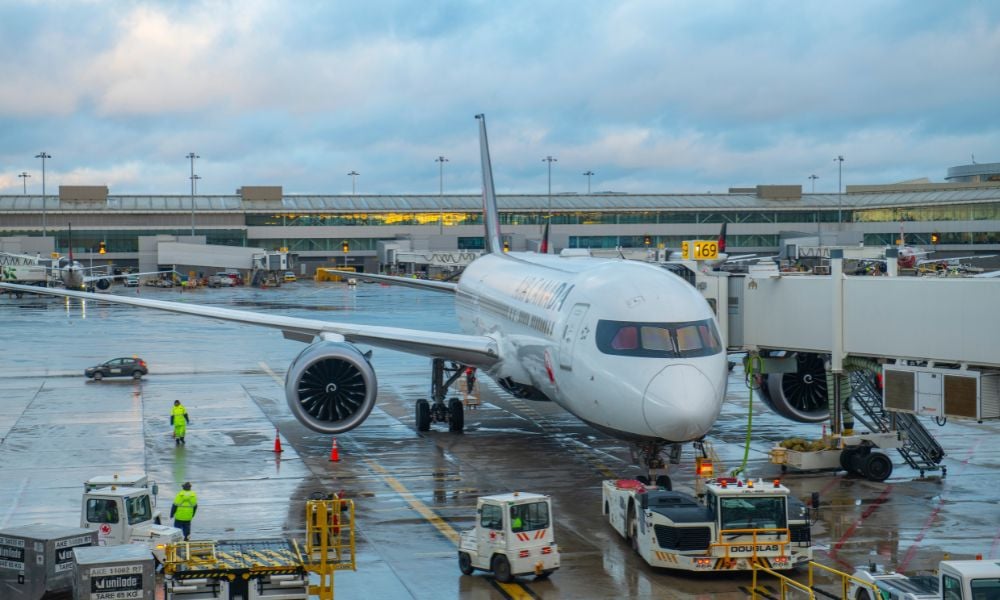
The federal government has reopened the long-running debate over who should own and finance Canada’s major airports, while market pressures from rising fuel costs and higher fares add urgency to decisions about the sector’s future.
In its spring economic update, the Mark Carney government said it is “assessing opportunities to unlock the full value of airports,” including alternative ownership models to back Canada’s long-term growth.
According to the Financial Post, Ottawa is consulting airport authorities, airlines and municipal governments on these options and plans to create a $25bn sovereign wealth fund to support “nation-building” projects alongside private and international investors.
Transport Minister Steven MacKinnon told reporters the government is working with airport authorities and other partners and is still “in the early stages of a process” to decide the best way forward.
He said the goal is to improve both the passenger experience and the efficiency of the air transport system, Global News reports.
He described airports as “a public good” and said he does not expect that philosophy to change.
Under the current model, Transport Canada leases 23 airports, including Toronto Pearson, to 21 private not-for-profit airport authorities that operate at arm’s length and reinvest revenues into infrastructure.
The Canadian Airports Council says the federal government collects up to 12 percent of gross revenues as rent and that airports have paid more than $6.5bn since 1992.
According to the Financial Post, the government has introduced legislation tied to the spring update that would let the transport minister compel airport operators and other parties to provide information needed to value airports and assess development potential.
Finance Minister François-Philippe Champagne has also given notice of a bill to implement the update, which includes measures on airport reform and air travel complaints, CTV News reports.
Pension funds and other institutional investors see potential opportunities if Ottawa moves ahead.
Michel Leduc, senior managing director at the Canada Pension Plan Investment Board, called core national infrastructure such as a G7 hub airport a “sweet spot” for large funds, according to the Financial Post.
He said investors look for flexible partnerships, predictable regulation and professional fiduciary boards.
Canadian pension funds already have long experience owning airports abroad.
Over the past two decades, Ontario Teachers’, the Caisse de dépôt et placement du Québec and PSP Investments have taken significant stakes in airports in the United Kingdom, Australia and Europe.
The Post reports that several global pension investors have told Ottawa they are interested in buying Canadian airports, and that their broader wish lists include pipelines, power assets, bridges and ports.
Carney has also floated “asset recycling,” in which governments lease or sell assets such as airports to private investors and reinvest the proceeds in priority infrastructure.
The economic update says Ottawa’s new fund will build on its initial $25bn through investment returns and additional government assets.
Not all stakeholders support full privatization.
James Moore, a former federal cabinet minister writing in CTV News, argues that Canada’s not-for-profit airport authorities already operate at arm’s length, reinvest surpluses, and remain regulated in the public interest.
He points to mixed results from privatization abroad and warns that regional airports could face reduced service, higher fees or even closure if profit becomes the primary driver.
According to the Financial Post, the Canadian Airports Council has suggested institutional investors should be financing partners rather than major stakeholders, and some unions have argued privatization would lower wages.
Some pension executives also told the paper that minority positions or narrow land-development deals may not meet their investment criteria without a controlling stake.
The policy debate comes as airlines manage a fuel-driven cost shock and adjust capacity.
CBC News reports that jet fuel prices have more than doubled compared with a year ago, prompting Air Canada, WestJet, Porter Airlines and Air Transat to increase fares or add surcharges.
Air Transat plans to cut about 1,000 flights between May and October, while WestJet and Air Canada have also announced capacity reductions.
At a local level, Regina Airport Authority CEO James Bogusz told CTV News he expects airlines to trim or tweak routes to stay profitable but does not foresee a collapse in traffic similar to COVID-19.
He said discussions with Ottawa about possible investment are under way and suggested that, in Regina’s case, “privatization” could look more like pension fund investment than bank debt.
For now, the federal government continues to study “alternative models of ownership” while signalling that both passenger costs and private capital will shape whatever model emerges.