Survey finds late-filing clients may miss key credits, face penalties, and smaller refunds this season
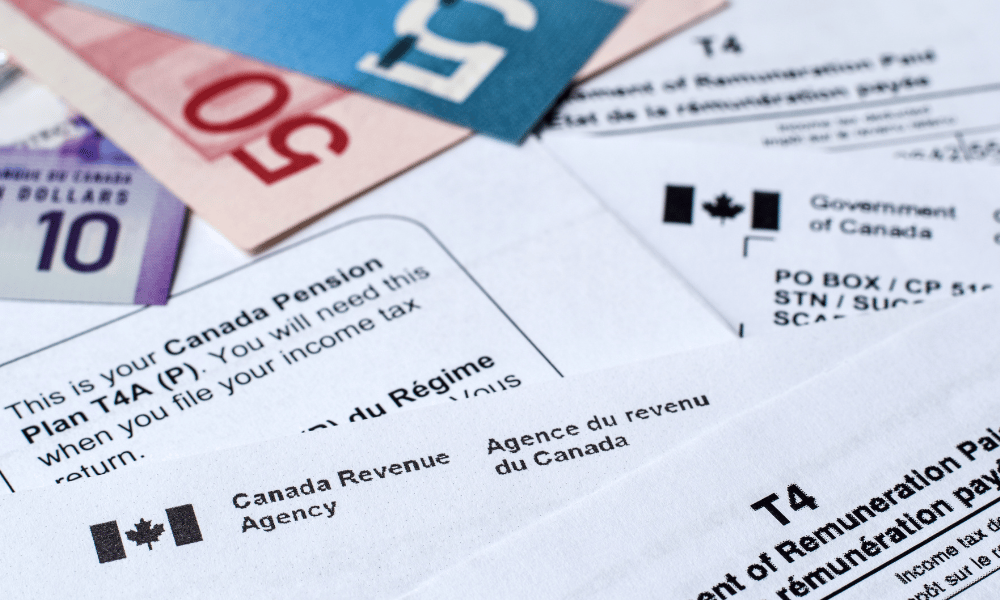
Millions of Canadians risk leaving thousands of dollars in unclaimed refunds and benefits on the table as they head into the April 30 tax deadline with returns still unfinished, a new H&R Block Canada survey shows.
More than one quarter of Canadians (28 percent) have yet to file their 2025 personal income tax returns, or nearly 9 million people, up from around 22 percent (about 7.3m) at a similar point in 2025.
Of those who have not filed, 69 percent say they have not gotten around to it but plan to do so before April 30.
Another 7 percent also plan to file by the deadline but are procrastinating because they are worried they will owe money.
More than 1-in-10 (12 percent) expect to file after April 30 because they have not gotten around to it, while 5 percent say they have tried to file but have had issues accessing their CRA My Account with the Canada Revenue Agency.
Ontario has the highest share of holdouts, with 1 in 3 (33 percent) residents still unfiled.
Saskatchewan and Manitoba follow at 32 percent, British Columbia at 30 percent, Atlantic Canada at 28 percent, Alberta at 22 percent and Quebec at 21 percent.
H&R Block links that delay to lost money for many households.
“Filing your taxes is not just about putting money back into your pocket through refunds,” said Yannick Lemay, tax expert at H&R Block Canada. “It’s also the only way to access numerous year-round credits and benefits.”
Lemay said many Canadians delay or skip filing because they think there is no benefit if they owe nothing or earn little, and some still believe they must go into an office for help.
He said they are often “shocked about how much money they’ve missed out on,” noting H&R Block’s Second Look program finds more than 60 percent of Canadians missed an average $2,725.
“It literally pays to file your taxes,” he said.
A separate 2026 H&R Block Canada survey found that more than 4 in 10 Canadians are not confident in their understanding of the credits and benefits they are entitled to in order to maximize their return.
For clients who owe, late filing carries a direct cost.
Late filers face a 5 percent penalty on the balance of taxes owing, plus 1 percent for each full month they delay filing, up to 12 months.
Anyone penalized for late filing within past years faces a 10 percent late filing penalty and 2 percent for each month of delay, up to 12 months.
Lemay stressed that “the tax filing deadline for businesses is June 15,” but warned that any balance owing is still due on April 30, making it crucial to confirm what is owed ahead of time.
Several tax credits and changes stand out in this landscape.
H&R Block identifies the Medical Expense Tax Credit (METC) as the most common overlooked tax credit, covering medications, medical devices, travel for medical treatment (if over 40 km), prescription glasses and more, including portions not covered by insurance.
Pharmacies typically have copies of receipts for the year.
The Disability Tax Credit (DTC) provides individuals with prolonged physical or mental impairments up to $10,138 in non-refundable tax credits, and many Canadians with ADHD, diabetes, or mental health conditions qualify but do not apply or claim.
The Disability Tax Benefit, distinct from the DTC, is a monthly payment of up to $200 per month for those who qualify for the DTC.
On the income tax side, the lowest tax rate fell from 15 percent to 14 percent as of July 1, 2025, with the CRA applying a 14.5 percent tax rate for all of 2025, so many Canadians will see a slight bump in their tax refund this year.