Oil jumps more than 9% as the US reinstates its blockade of Iranian ships
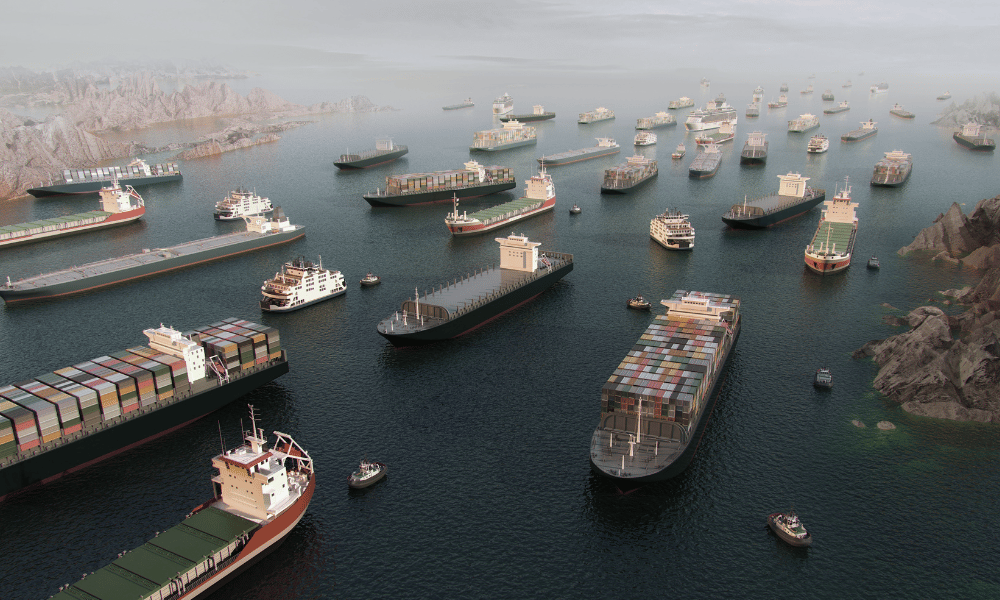
Oil prices climbed more than 9 percent on Monday after US President Donald Trump said the US would impose a 20 percent fee on all cargo moving through the Strait of Hormuz and reinstate a blockade of Iranian shipping.
Brent futures posted their biggest single-day dollar gain since April 2 and settled at their highest level since June 12, the Reuters reported, while US crude recorded its largest daily gain since April 29.
Trump branded the US the "guardian" of the strait in a Truth Social post and said the country would be "reimbursed, at the rate of 20 percent on all cargo shipped."
He also ordered the US Navy to reimpose its blockade of Iranian ships.
The US Navy-led Joint Maritime Information Center said the measure would take effect at 2000 GMT on Tuesday and apply to all vessel traffic regardless of flag, covering the entire Iranian coastline, according to Reuters.
For markets, analysts said the levy matters less for its direct cost than for the supply risk it signals, CNBC reported.
Andy Lipow, president of Lipow Oil Associates, told the outlet that a market counting on stronger supplies after last month's US-Iran memorandum of understanding now faces a different picture.
Those surpluses are "certainly in jeopardy," he said on CNBC, especially if the strait shut down completely.
Lipow estimated the fee, if applied to crude cargoes, would add about US$16 a barrel to oil shipped through the strait, though the administration has not said how the charge would work.
Citi said the chance of military escalation had "risen materially" should the announcement be implemented, according to a note reported by CNBC.
It also saw a greater chance that Iran abandons the memorandum until after the US mid-term elections, a path it linked to higher prices for longer.
The bigger concern is "the risk of renewed physical supply losses," Henry Hoffman, co-portfolio manager at Catalyst Energy Infrastructure Fund, told CNBC, warning that falling traffic could eventually force producers to cut output if storage fills up.
Kpler data showed 14 ships crossed the waterway on Sunday, including four crude tankers, down from 37 a week earlier, the outlet reported.
The developments cut against the International Energy Agency's forecast last week that the market would return to surplus toward the end of 2026, an outlook the agency said hinged on tanker traffic gradually recovering.
The revenue at stake is large.
Before the war began in February, about a fifth of the world's oil and gas passed through Hormuz daily, delivering more than 15m barrels worth at least US$1.2bn, according to Reuters, meaning a 20 percent fee could raise roughly US$240m a day.
Even so, John McCown, a senior fellow at the Center for Maritime Strategy, told CNN the charge would likely price out shippers, who typically pay 2 to 3 percent of cargo value in fees, and he said insurers could refuse to cover transits regardless of whether owners agree to pay.
The plan's legality remains contested.
The International Maritime Organization, a UN agency, said "there is no legal basis through which to introduce mandatory tolls simply to transit through a strait," according to CNBC.
James Kraska, a professor of international maritime law at the US Naval War College, told the network that mandatory tolls break international law, though he said a voluntary convoy that shippers could opt into would comply.
The US secretary of state, Marco Rubio, said last month, "No country is allowed to charge tolls or fees on an international waterway," Al Jazeera reported.
Iran rejected the plan.
Iran's foreign minister, Abbas Araghchi, wrote on X that Tehran controls the strait, adding, "20 percent is of course too much. We will be fair," Reuters reported.
The announcement came as the two sides traded fire, with the UAE Ministry of Defense saying Iranian cruise missiles struck two Emirati tankers in the southern lane and US Central Command confirming a third consecutive night of strikes on Iran.