Ottawa sweetens the pitch with fast-tracked CRA rulings on investments above $1 billion
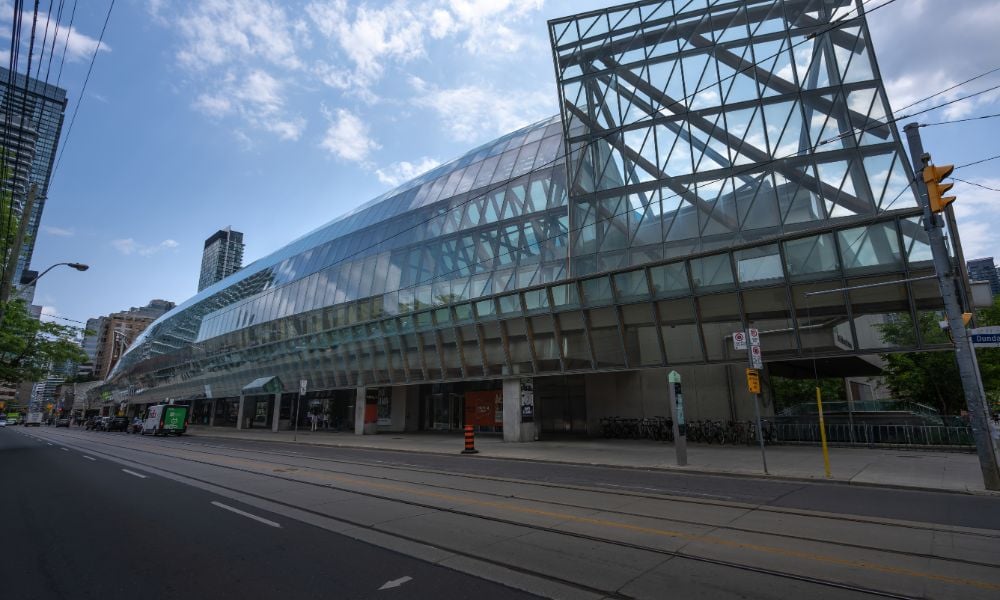
The Canada Investment Summit opened at Toronto's Art Gallery of Ontario on the evening of September 14.
A prospectus seen by Reuters lists 167 projects spanning data centres, liquefied natural gas, ports, mines and advanced manufacturing, at stages running from concept to shovel-ready.
Prime Minister Mark Carney has pledged to attract $1tn in investment over the next five years, Reuters reported, with about $280bn of that in public investment and government incentives, according to Al Jazeera.
The Canada Revenue Agency will prioritize advance income tax ruling requests tied to investments of $1bn or more in Canada, Finance and National Revenue Minister François-Philippe Champagne announced on September 14.
The measure took effect the same day.
Investors can obtain a binding decision on how Canadian income tax law will apply to a proposed transaction before they commit capital through the Advance Income Tax Rulings program, the federal government said in its announcement.
The 90-business-day service standard remains for requests that do not qualify for prioritized access, and 91 percent of rulings were issued within it in the fiscal year running April 1, 2024 to March 31, 2025.
Champagne said the government will prioritize advance tax rulings for investments of $1bn or more.
The change gives investors more certainty when they weigh major projects, he said in the release.
TD announced a $150bn five-year commitment for lending and financing across energy, critical minerals and resources, defence and aerospace, digital and AI, and infrastructure, Reuters reported on September 14.
Four other banks made commitments of their own, according to the Financial Post.
- Scotiabank, $100bn in financing
- Bank of Montreal, up to $70bn over 10 years
- Royal Bank of Canada, $1.4bn in direct equity for Canadian technology companies
- Canadian Imperial Bank of Commerce, $2bn for defence-related businesses
The Public Sector Pension Investment Board expects to increase investments in Canada by 30 to 40 percent, lifting total assets invested at home above $100bn, chief executive Deb Orida said in reporting carried by the Financial Post.
Ontario Teachers' Pension Plan Board will invest an additional $10bn in Canadian public and private markets by the end of 2027, and Sun Life Financial Inc. will deploy $5bn over five years into critical infrastructure.
"The central question for investors remains whether Canada can convert more than $1 trillion of ambition, capital availability, and policy support into executable projects," John Aiken, an analyst at Jefferies Inc., wrote in a note reported by the Financial Post.
Aiken said those projects must produce private-sector returns that last.
Regulatory reviews requiring both federal and provincial approval have been a sticking point, Rachel Ziemba, an adjunct senior fellow at the Center for a New American Security, told Al Jazeera.
Of the projects on offer, she said: "Some are quite large and expensive and are unlikely to be ready for prime time."
Foreign direct investment flows into Canada have averaged around $23bn a quarter in 2024 and 2025 and $20bn so far in 2026, compared with $16.3bn in 2023, according to government data cited by Reuters.
Attendees included BlackRock chief executive Larry Fink, Blackstone president Jon Gray, Apollo Global Management's Marc Rowan and KKR's Joseph Bae, Bloomberg reported.
More than 220 names appear on the attendee list of global investors courted for the summit, about half of them from Canadian institutions.
More than 1,000 demonstrators gathered in downtown Toronto on September 14, marching from Nathan Phillips Square to a police barrier near the Art Gallery of Ontario, CBC News reported.
"This is not an investment summit. This is a privatization summit," said Nik Barry-Shaw of the Council of Canadians, in remarks reported by Reuters.
Industry Minister Mélanie Joly said her job is to protect Canadian interests through the Investment Canada Act.
Canada would "never compromise our national security," Joly told CBC News, but 42 million people cannot supply enough capital to develop every company and infrastructure project the country needs.