A boat in his name, a $100,000 condo gift, then the showroom cheques
Justice L. Shaw ruled September 25, 2026 that a man's bank accounts stay frozen, finding strong evidence he helped his brother dodge a creditor.
The Ontario Superior Court of Justice ruling, keeps in place a Mareva injunction, a court order that freezes assets before trial. No claims have been tried yet.
A US judgment heads north
After a relationship ended in 2016, a woman sued her former partner over US$1.8 million in loans. In 2017, he agreed to pay her $774,696. He didn't, and in July 2022 she won a $929,154 default judgment in Massachusetts. All figures are US dollars unless noted.
Her efforts recovered $120,000. Questioned under oath in December 2024, the debtor said he could not pay and named an RRSP with GP Wealth as his only account outside the US. The court found he held several RBC accounts at the time.
After finding evidence of Canadian accounts, she had the judgment recognized in Ontario in September 2025 and sued both brothers, seeking fraud damages and to undo the debtor's transfers to his brother. A Norwich order, which makes third parties hand over information, brought in records from TD, RBC and GP Wealth.
A boat, a condo and showroom cheques
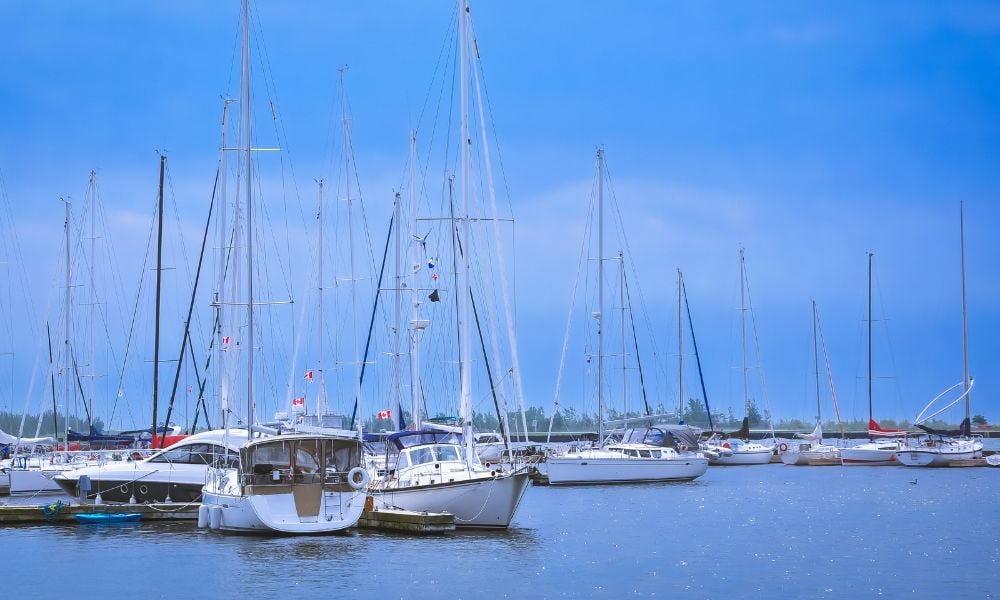
The brother, a consultant who moved back to Ontario in October 2022, three months after the judgment, counts the debtor's US business as his main client. He said he did what his brother asked. In February 2024, that included wiring $86,651 of the debtor's money to a US dealer for a boat registered in the brother's name.
The debtor admitted the boat was his. Asked why it was in his brother's name, he testified he did not want the creditor “to have a penny of my money.” He also claimed she had forgiven the debt. The court said her actions showed otherwise.
More money moved. In March 2024, five $100,000 deposits hit the brothers' joint RBC account, and $400,000 went to the debtor's RBC investment account two days later. The brother said he knew nothing about them. In May 2024, the debtor gave him $100,000 CAD toward an Ontario condo. Cheques from the debtor's business totalling $77,500, several marked as Canadian showroom expenses, landed in the brother's personal account. Both men called that money the debtor's savings.
Why the freeze stayed put
Justice Shaw found the debtor was not credible, had been deliberately untruthful under oath and could have paid for years. The judge also found strong evidence, at this early stage, that the brother knowingly helped shield the debtor's assets.
The brother argued he knew nothing about the judgment and that equity in the debtor's US home could cover the debt, but the court found no evidence of that equity. It called him a sophisticated businessperson and found it implausible that he never asked questions. Even if he did not know, the court found strong evidence that the boat, the gift and the cheques were fraudulent conveyances, meaning transfers made to defeat a creditor.
The debtor did not fight the freeze against himself, and $242,895 in frozen funds went toward the judgment by consent. The brother can draw $8,000 CAD a month for living expenses, and a notice on the condo's title stays. The judge explained why the pattern mattered: “Each transfer of funds, if considered in isolation, would only raise a suspicion.”