A resulting trust claim revived years after settling out of court.
The Court of Appeal for Ontario says investors who settled a fraud claim early can still share in $11.3 million.
The court set aside a lower court order that gave all of that money to investors who took a real estate fraud claim to trial, cutting out those who had settled before the case was heard.
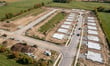
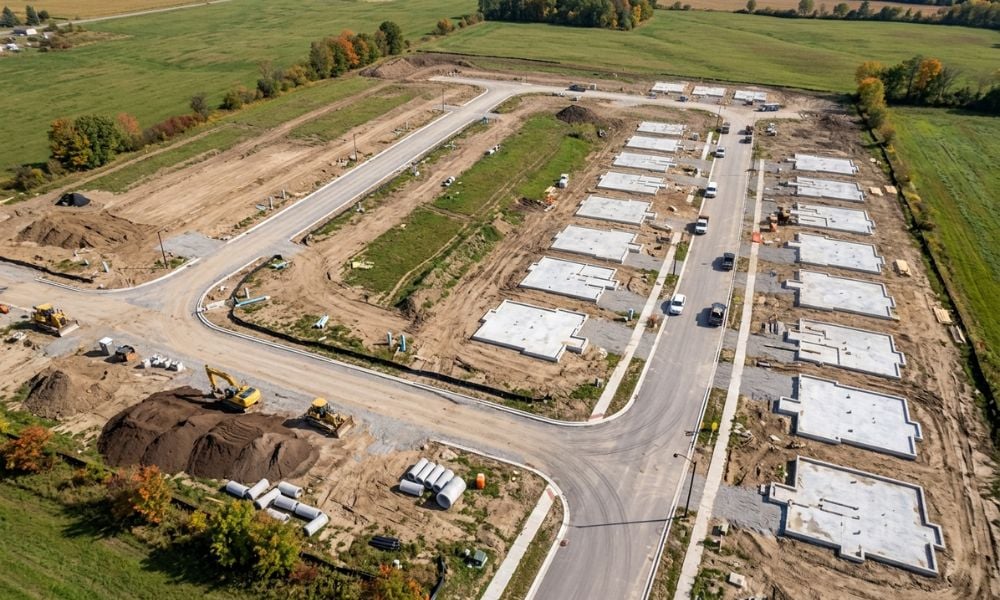
The dispute traces back to a failed Brampton development. Starting in 2001, John Vuletic and his son Anthony solicited investors to help buy a 12.5-acre farm property, promising them the right to buy lots once it was subdivided. The Vuletics put none of their own money into the 2002 purchase but assigned themselves lots, lived on the property rent-free and hid mounting zoning problems from investors. In 2016 they sold the land for about $15.4 million without paying the investors anything.
Two lawsuits were filed in 2017. A court later ordered part of the sale proceeds paid into court, where the amount grew to roughly $11.3 million with interest. Before trial, 11 investors settled with the Vuletics for reduced, capped amounts rather than risk litigation. The remaining investors went to trial and won, with a judge finding the Vuletics liable for fraud, conspiracy and breach of fiduciary duty, and awarding them about $10.6 million in damages, $150,000 in punitive damages and close to $5 million in costs.
In December 2024, the trial judge ruled that the settling investors had no equitable claim to the preserved funds and gave the entire amount to the investors who had gone to trial, who the appeal court noted stood to make "more than a tenfold profit" on their investments while the settling investors walked away with nothing.
The Court of Appeal, in reasons released September 2, 2026, found that ruling was wrong. Justice Dawe, writing for a three-judge panel, held that the settling investors also had an equitable stake in the property known as a purchase money resulting trust, since each of them had contributed money toward the purchase without intending it as a gift or a loan. That kind of trust arises automatically once the money is paid, the court held, and does not need a judge to declare it or require proof of wrongdoing by the developers. The panel also rejected the argument that settling meant giving up the claim, since the Vuletics never actually paid the agreed settlement amounts.
In place of the lower court order, the panel set out a four-stage payout plan: investors first recover their original contributions plus interest, the trial investors then recover their costs award of roughly $4.96 million, the $150,000 in punitive damages follows, and any remaining funds are split pro rata among everyone still owed money.
For advisors with clients in private real estate or development deals, the ruling matters: a settlement that never gets paid does not necessarily close the door on an investor's claim to the underlying property.