Goldman's president and COO is expected to replace David Solomon as CEO as soon as 2027, ending a near-decade at the firm's helm
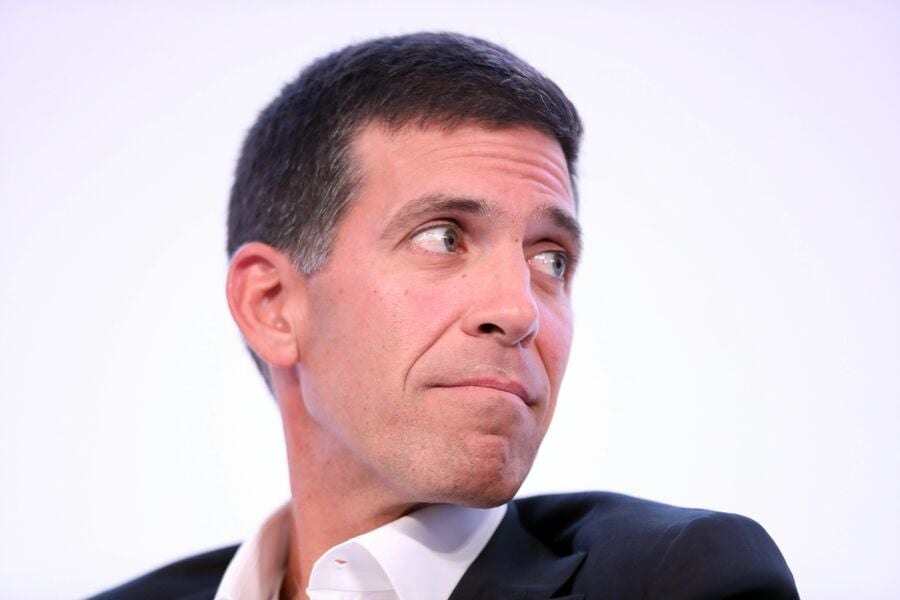
Goldman Sachs is moving toward a leadership transition that would end David Solomon's tenure as chief executive and install President and Chief Operating Officer John Waldron in the top job.
The Wall Street Journal first reported that the bank's board had discussed a plan for Solomon to step down and be replaced by Waldron as soon as next year, citing people familiar with the matter. Discussions have centered on Waldron taking over around the end of 2027 or in 2028, according to the Journal.
Under the arrangement being considered, Solomon would remain as executive chairman for one to two years after stepping down from the chief executive role.
Board approval could come within months, though the timing is subject to change, according to Reuters, which published a statement from Goldman's global head of communications, Tony Fratto: "Of course the board regularly discusses succession, as we disclose in our filings, but there is no definitive timeline for succession at Goldman Sachs. Any assertions about timing are just speculation."
An heir apparent - and a long wait
Waldron was named chief executive in October 2018 and shares some common career routes with Solomon. Both worked at Bear Stearns earlier in their careers and arrived at Goldman within a year of each other - Solomon in 1999, Waldron in 2000 - according to the Journal.
Waldron previously served as co-head of investment banking, a role he held from 2014 until joining Solomon's leadership team in 2018 as president and COO, according to Goldman Sachs' official executive biography of Waldron published on its website.
In January 2025, Goldman awarded both executives retention bonuses of $80 million each in restricted stock. Waldron was added to the firm's board in early 2025. Wells Fargo analyst Mike Mayo, told Reuters he did not expect Waldron to change the bank's strategy, noting the two leaders had been driving Goldman's priorities together.
Succession across Wall Street
Goldman's expected transition arrives at a moment when CEO succession has become a live issue across major U.S. banks.
JPMorgan Chase investors have long focused on when Jamie Dimon may step aside and in June 2026 the firm appointed two senior executives - Doug Petno and Troy Rohrbaugh, who previously served together as co-CEOs of the Commercial & Investment Bank - as co-presidents of the company, in a move the bank's board described as part of a deliberate leadership succession process.
Bank of America's Brian Moynihan is among the longest-serving chiefs at a large American institution. The parallel planning underway at Goldman reflects the same shareholder pressure for boards to demonstrate credible, advance succession frameworks.
Goldman Sachs has built its wealth and asset management platform to $1.9 trillion in client assets under its current leadership, according to CEO David Solomon's 2025 annual letter to shareholders, published by Goldman Sachs in March 2026.
The firm has set a target of achieving annual long-term fee-based net inflows equivalent to 5% of the channel's long-term assets under supervision, Solomon wrote, highlighting how central the wealth business has become to Goldman's recurring revenue model regardless of who leads the firm.