Advisor explains how his own experience in giving has helped him support clients better
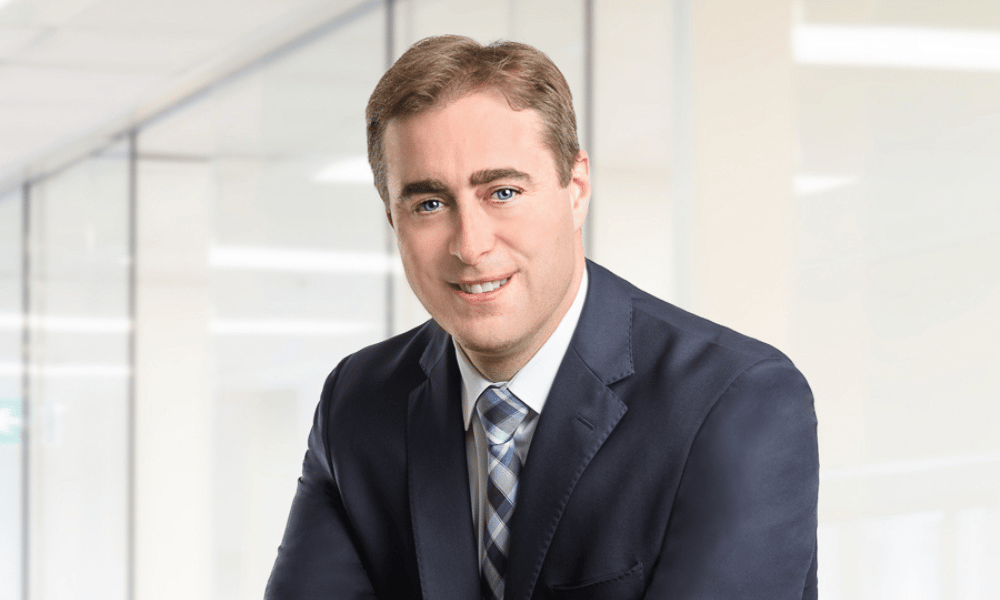
Mike Flux puts his money where his beliefs are. A longtime volunteer and charitable donor, the Wealth Advisor at Connor Clark & Lunn Private Capital established his family’s first donor advised fund (DAF) early in his career with a $35,000 in-kind donation of an investment that had performed well for him. Though he’ll admit the initial donation amount was below what he would normally recommend from a minimum fee standpoint, that DAF has allowed him to focus his charitable giving into a philanthropic strategy, familiarize himself with the vehicle, and model an example that his philanthropically minded clients can follow.
Flux explained why he sees DAFs as such a valuable vehicle for clients who want to donate to causes they support, and for those seeking greater tax efficiency. He contrasts the DAF with more expensive choices like a private foundation and more piecemeal forms of philanthropy. He outlined why advisors may want to consider DAFs for their clients now and how they can effectively add these tools into their practice.
“Once clients experience charitable giving for themselves, most clients admit that they are philanthropic and they love the concept of having a family foundation. Many people feel that family foundations are only for the most wealthy Canadians, but when they learn that DAF minimums are really quite low, they can easily become ‘accidental philanthropists’. Even if they don’t initially want to have a foundation, when they realize that there are causes that matter to them, and that they’ve got tax problems in their portfolio, you can marry the two and have very positive outcomes Flux says. “If you want to be strategic about your giving and track your donations, having a donor advised fund enables you to approach it with a business mindset.”
The other option for wealthy Canadians is to establish a private foundation. Private foundations can offer certain advantages in terms of control and the capacity to employ people, but they are much more administration-heavy and expensive than a DAF. DAFs are readily available through many entities for a reasonable, annual fee. DAFs remove the headaches, allowing the donor to focus on the more fun aspects of having a foundation – the act of giving, and the tax savings.
The DAF allows the client and their advisor to work together on an annual basis to manage the client’s tax challenges and opportunities by timing in-kind donations of securities into the DAF for tax purposes.
Once funded, clients can grant money to charities over time, allowing for donated securities to appreciate and deliver value to causes the client believes in. While the tax advantages are a key value proposition, Flux adds that working with a client on strategic philanthropy also helps to create a bond that goes far deeper than simply investing and wealth accumulation.
Flux highlights his own philanthropic commitments as a means of connecting with these clients. “Sharing your own charitable interests first, helps clients to open up about their personal causes. When you align on common social impact interests, it really helps to deepen the client-advisor relationship,” he says. He also highlights CC&L Private Capital’s firmwide commitment to philanthropy, through their own giving and volunteering.
The question for an advisor, of whether to lead with tax or lead with philanthropy when describing these funds comes down, in Flux’s view, to the primary interest of the client. Certain clients make their philanthropy clear in early onboarding conversations. Others may be more tax motivated. It is important to be mindful of this, and follow the client’s lead, ensuring their comfort throughout the discussion.
While DAFs can be straightforward to use, Flux notes that there are some potential pitfalls that advisors need to be aware of. Primarily, he says, advisors need to be prudent in their approach with clients. It is best to follow more of an educational approach to DAFs and let clients embrace the concept at their own pace. Further, charitable giving is also a very personal matter, so Flux cautions against suggesting specific charities to donate to. He notes that this is a specialized type of advice, and many good DAFs offer this service as part of their offering. There are also a few specialized consultants who can help clients throughout this discovery process. It is key for an advisor to guide clients on what they can comfortably afford to donate.
DAFs have moved into the mainstream, and Flux believes that advisors need to get educated on how to use incorporate them into their financial discussions with clients. That could be by furthering their education through the Master Financial Advisor – Philanthropy program (MFA-P™ Designation | CAGP | ACPDP), which is a designation focused on providing strategic philanthropic advice to clients. He also believes that if advisors want to support their clients’ philanthropy, they should be philanthropists themselves.
“Be in the game. Philanthropy is very positive personally, but also from a business standpoint in that it expands your network with foundations and wealthy families if that’s a focus for you,” Flux says. “My practice started off with smaller, high net worth investors at first, but now I’ve got a large practice with a lot of wealthy philanthropists and charitable foundations, including many hospitals, community foundations, schools, and cultural foundations as clients. I also volunteer at many different institutions, and I have set up a foundation of giving. It has been very rewarding to integrate my personal life with my work life in this way.”