Unclear recourse options are leaving taxpayers without timely resolutions
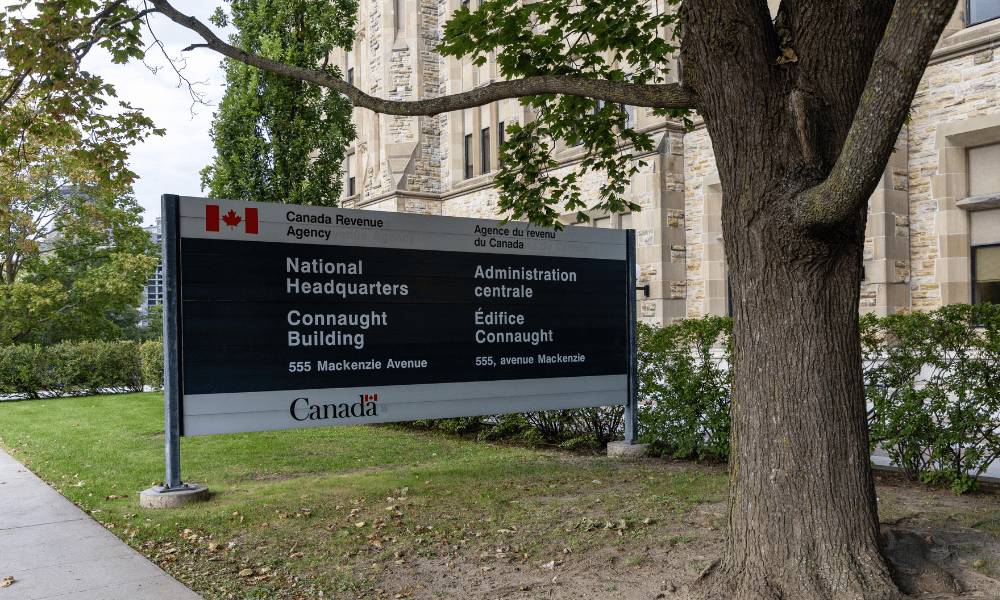
One man was accidentally declared dead by the Canada Revenue Agency and kept paying taxes throughout the entire period he was "deceased."
It is the kind of absurdity that has come to define Canadians' experience with an agency that, for many, has become synonymous with frustration rather than service.
Now, the Office of the Taxpayers' Ombudsperson is doing something about it.
Ombudsperson François Boileau launched a formal systemic examination Tuesday into how the CRA handles complaints, citing concerns that confusing and overlapping recourse options leave taxpayers uncertain about where to turn.
His office's preliminary research found that taxpayers face different avenues depending on whether they have a tax dispute or a service complaint, and that the distinction is not always obvious.
Some taxpayers skip steps and still get their issue resolved, while others try different options to speed things up, use multiple options, or choose the wrong one entirely, potentially delaying resolution.
"This lack of clarity can lead to... perceived unfairness, particularly for taxpayers who need urgent action," the office’s release noted.
Boileau said in the release that the CRA exists to serve the public and must deliver on that mandate, with complaint and recourse processes that are efficient, effective, fair and timely.
CBC News reported that the investigation follows a scathing report from the federal auditor general last fall that criticised CRA contact centres for failing to answer calls in a timely manner.
Finance Minister François-Philippe Champagne subsequently set a 100-day timeline for the agency to address delays.
That program concluded in early December, and while the government said it improved service delivery, CBC News reported that a longer-term fix has yet to be detailed publicly.
For advisors, the CRA's credibility problem is a client management issue as much as a policy one.
Darren Coleman, senior portfolio manager at Portage Cross Border Wealth Management, told Wealth Professional that one of the most common frustrations is that information from CRA agents is frequently inaccurate, and when clients act on that information, they are still held at fault.
Coleman said he stresses independent verification through an accountant or tax lawyer with all his clients.
Shiraz Ahmed, founder and CEO of Sartorial Wealth, pointed to the agency's dated technology platforms and a string of cybersecurity breaches tied to CRA accounts as further sources of eroded trust.
Coleman told Wealth Professional that Canadians pay significant taxes and expect competent, timely service in return.
When agencies fall short, he said, "Canadians think the deal is a little broken."
Ahmed said advisors can play an active role in pushing for improvements, both through direct feedback to the CRA and by engaging with elected representatives.
"Like the old saying, 'the squeaky wheel gets the grease,'" he told Wealth Professional. "If you're not happy with something, say something."
The OTO said its examination will look at how recourse options are communicated, applied, and used, and that Boileau may make recommendations to the minister of finance and national revenue based on the findings.
The CRA's Taxpayer Bill of Rights, which the OTO oversees in part, outlines 16 rights covering fair treatment, timely service, privacy, and the right to lodge a complaint without fear of reprisal.