A First Nation tried to dodge a losing motion. The court wasn't having it.
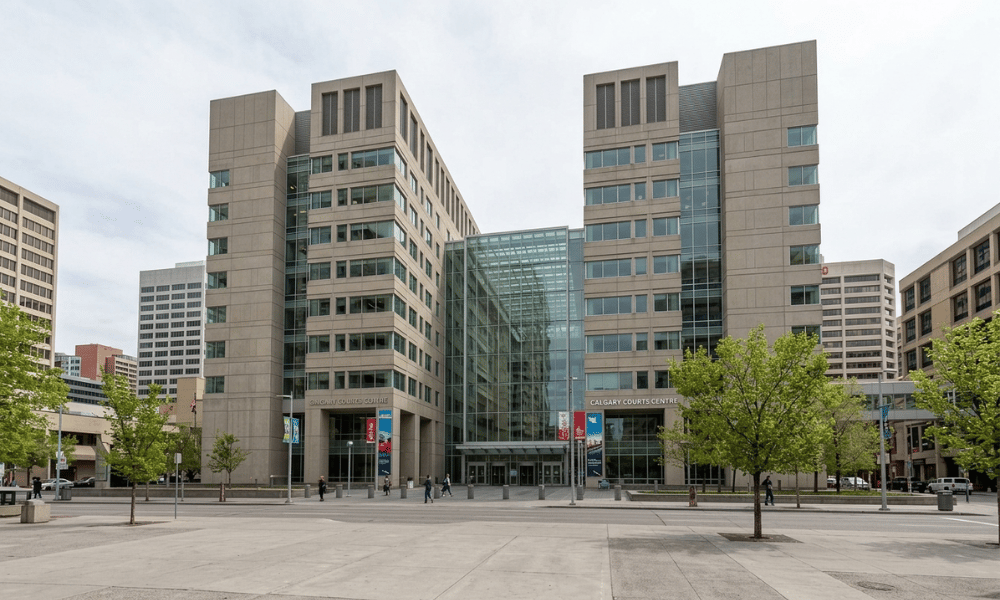
An Alberta court sided with a First Nation councillor, striking a long-running fraud claim after the plaintiff tried to dodge her bid to dismiss it.
In a Court of King's Bench of Alberta ruling released September 9, 2026, Justice M.A. Marion found the First Nation could not simply withdraw its case against her to avoid her bid to have the claim thrown out.
The underlying lawsuit, filed in 2006, named a national investment dealer, a co-defendant alleged to have controlled the First Nation's trust fund investments, and several councillors, including the one at the centre of this ruling. The First Nation alleged the group diverted $23 million out of the Nation through unauthorized wire transfers and improper investments, and alleged councillors received secret kickbacks to keep the co-defendant in charge of the trust money. None of that has ever been proven in court.
The councillor never filed a defence and was marked in default twice, in 2007 and 2012, for not responding to the claim. In 2018, the First Nation rewrote its claim and dropped the specific allegations against her, but never told her about it. The court later found that was a mistake: she should have been served. Representing herself the whole time, she said she had no idea she was still a defendant, or that she'd been marked in default, until 2019.
By 2025, the court had given her the green light to apply to strike the rewritten claim for not making out a real case against her. Before that application could be heard, the First Nation moved to drop the case against her entirely in October 2025, without a hearing. She and the co-defendant pushed back.
Justice Marion put a stop to that. He ruled it wasn't fair for the First Nation to dodge an application he had already found had real merit, along with any costs the councillor stood to recover if it went ahead. He found it “plain and obvious” the rewritten claim didn't hold up against her, since the specific allegations had already been dropped years earlier.
The upshot: the claim against her is struck, and she is no longer a defendant in the case. The First Nation's separate request to have that earlier case-drop validated was denied, and a side dispute over whether she'd ever been properly served with the original 2006 claim was left unresolved, since it no longer mattered.
The dealer and the co-defendant tied to the trust fund investments are still defendants in the wider case, part of a larger group of related lawsuits headed toward trial as early as 2027.
The lesson for compliance teams: a default doesn't erase a defendant's rights. Even someone who never filed a defence is still entitled to be served with an amended claim and to challenge one that no longer holds up, and courts will step in when a plaintiff tries to use procedure to dodge that kind of scrutiny.
Costs from the councillor's dispute are expected to be sorted out between the parties within a month of the ruling, or decided by the court if either side asks.