Canada's central bank has made a policy decision that had markets, analysts speculating over recent days
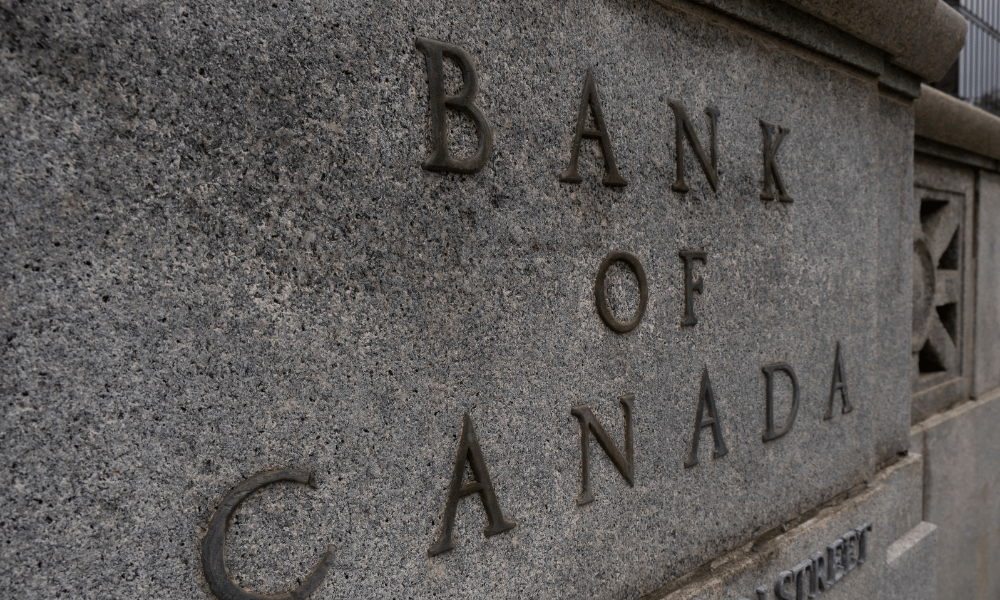
The Bank of Canada (BoC) elected to raise its overnight interest rate from 2.25 to 2.5 per cent today in a move that a bare majority of economists predicted in a recent Reuters poll. The decision is the first move since October of 2025 when the BoC elected to cut rates by 25 basis points. Consensus is that the central bank has been in a modestly accomodative policy stance for the past 12 months.
Inflation appears to sit at the core of the BoC's decision, with the consumer price index (CPI) rising at an annualized rate of 3.1 per cent in September, above the BoC's two per cent taget. While energy supply shocks have been a primary driver in that inflation spike, Governor Tiff Macklem appears dedicated to ensuring that rising energy prices don't cause inflation to spiral in other parts of the economy.
"Given persistently high oil prices, CPI inflation has been around 3% since April and is expected to rise to about 3½% by the end of the year. Excluding gasoline, inflation was 2.2% in September and measures of core inflation remain close to 2%. But cost pressures are building, with high fuel prices raising the costs of production and transportation. Imported industrial and electronics input prices have also increased. While businesses have mostly absorbed higher input costs so far, Bank surveys suggest cost pass-through will increase over the next year," a press release accompanying the decision reads.
The decision to raise interest rates comes despite the ongoing risks to growth presented by US trade relations. While recent statements from US and Canadian leaders hint at progress toward a deal, much of Canada's export sector remains under threat from US tariffs. Nevertheless, the BoC has elected to focus more on its mandate to control inflation.
"In the outlook, inflation is higher and more persistent than in the July Report. Growth has picked up this year and is expected to recover further. Against this backdrop, Governing Council decided to increase the policy rate to reduce the risk that continuing high energy prices spread broadly to the prices of other goods and services," the release reads. "There could be a need to increase the policy rate further, but given uncertainties, Governing Council agreed to proceed carefully. The Bank remains committed to maintaining Canadians’ confidence in price stability."