ETF outflows rise and risk-off spreads widen
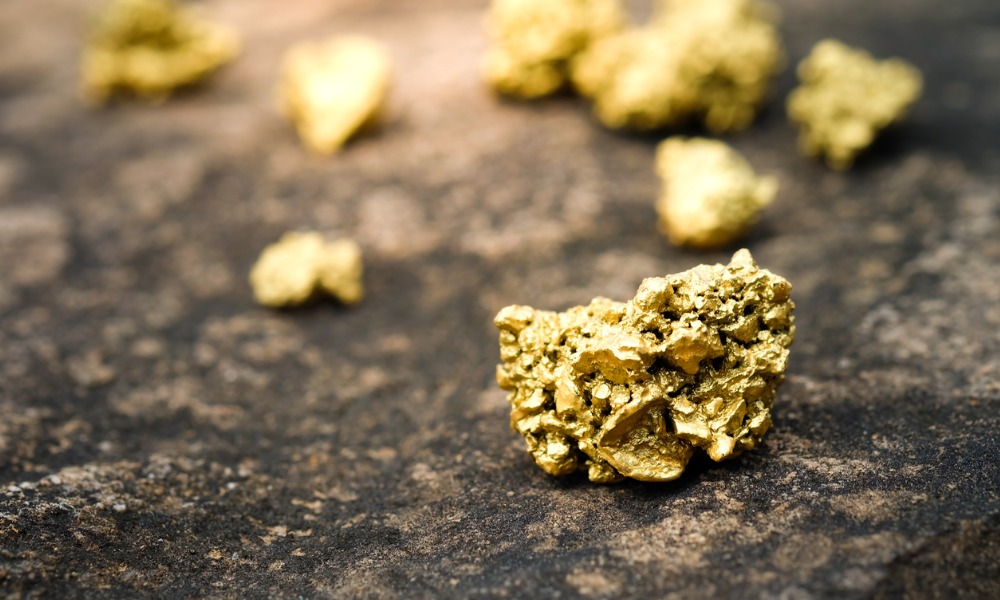
Gold fell nearly 6% during an inflation-driven market shift, drawing attention to its role in portfolios facing higher interest rates.
The decline came during Thursday trading, when metals moved lower across the board. Silver dropped 8%, while copper fell 2% and palladium declined 5.5%, according to CNBC. Other market reports showed gold down about 6.59% and silver off more than 10% during the session, indicating broad selling across metals.
The pullback in gold and silver has persisted since the start of the U.S.-Iran war. The conflict has pushed oil prices higher, raising concerns that inflation could accelerate and keep interest rates elevated.
Higher rates tend to weigh on bullion, which does not generate income. A stronger U.S. dollar linked to rising yields has also added pressure on gold by making it less expensive in other currencies.
“The risks to inflation taking away the Fed rate cuts that were priced in, and seeing interest rate increases across the world, and real rates rising, that has been the drag on gold,” said Peter Boockvar, CIO at One Point BFG Wealth Partners. The U.S. 10-year Treasury yield moved above 4.300% at one point Thursday.
Additional reporting from Investopedia noted that Federal Reserve Chair Jerome Powell said the central bank discussed the possibility of a rate hike while holding rates steady, citing concerns about the inflation impact of rising oil prices. Bond yields moved higher following those remarks.
Data cited by Investopedia also showed about $2.8 million in outflows from the SPDR Gold Trust (GLD) early Thursday, pointing to reduced exposure during the sell-off.
Industrial metals reflect growth concerns
Industrial metals also moved lower after showing relative stability earlier in the conflict. Copper, which is used in electronics, electrical systems, and construction, is often monitored for indications of economic activity.
Market participants have pointed to rising energy costs as a factor affecting demand. Oil and gas prices increased following strikes on energy facilities in the Middle East, raising production costs and weighing on industrial activity, according to Economic Times.
The duration of the conflict has been cited as a factor that could keep energy prices elevated long enough to influence spending by consumers and businesses. This phase is often referred to as “demand destruction.”
“On the industrial metal side… people are now really worried about the recession risks,” Boockvar said.
Volatility follows strong gains
CNBC reported that the recent declines follow a period of strong gains. Gold and silver rose 66% and 135%, respectively, during 2025. Trading in 2026 has been more volatile, with both metals experiencing sharper swings.
Broader market sentiment has also shifted. Investors have been reducing risk exposure across asset classes, contributing to selling in both industrial and precious metals.
Stagflation debate continues
The combination of rising inflation concerns and weaker growth expectations has led to discussion of a potential stagflation environment. Investor positioning has begun to reflect that possibility, though views differ.
Ed Yardeni, president of Yardeni Research, wrote that “oil shocks are less likely to trigger the kind of sustained stagflation seen in the past, particularly during the 1970s,” referencing the effects of the 1973 OPEC embargo. He noted that Russia’s invasion of Ukraine in 2022 raised inflation without leading to a recession.
Federal Reserve Chair Jay Powell addressed the issue during a Wednesday press conference. “I would reserve the term stagflation for a much more serious set of circumstances.”
Outlook linked to policy and fiscal conditions
Boockvar said stabilization in industrial metals prices may depend on an end to the conflict. He added that gold could find support if attention returns to rising government debt and fiscal deficits, which have historically influenced demand for the metal. He noted that those deficits may increase due to military spending tied to the conflict.
Christian Mueller-Glissmann, head of asset allocation research at Goldman Sachs, said gold may still have a role under certain conditions.
“In case of a continued stagflationary shock, especially if real yields are declining, we would expect more support for Gold prices due to investor demand for real assets and FX diversification,” he wrote.