New report shines a light on the global luxury spending trends
The way that wealthy people are spending their money is changing, with a strong shift towards experiences rather than owning certain assets.
Global luxury spending totaled 1.4 billion euros (roughly US$1,7 billion) in 2025 as the sector shows signs of gradual stabilization heading into the second half of 2026, though brands face an intensifying set of pressures from economic volatility, geopolitical disruption, and rapidly shifting consumer behavior.
The figures come from new research from Bain & Company and maps a market reshaped by four forces: a pivot toward experiences over ownership, a rebalancing of regional growth engines, evolving definitions of what luxury means to consumers, and AI-driven disruption of the purchase journey.
Consumer sentiment toward experiences is outpacing tangible goods by a factor of 1.5x so far in 2026, reflecting a structural shift from ownership to lived moments.
Luxury hospitality
Luxury hospitality, private jets, yachts, and cruises are all proving resilient, driven by premiumization and new customer acquisition. Fine dining benefits from a "less but better" mindset. Immersive bookings across dining, leisure, and entertainment are up 30% year-on-year, and travel to destinations beyond traditional hotspots has grown 20%.
The personal luxury goods segment edged down to €358 billion ($408 billion) in 2025, from €364 billion ($415 billion) the year before, a 2% decline at current exchange rates though a 1% gain at constant rates. Bain projects a recovery to between €365 and €373 billion ($416 billion and $425 billion) this year under its base case scenario, representing growth of 2% to 4%, which it assigns a 70% probability.
The first half of 2026 brought a wave of macro headwinds. Middle East conflict pushed oil prices higher, US inflation reached its steepest point since April 2023, and consumer confidence hit an all-time low.
The ECB raised interest rates in June for the first time since 2023. Luxury share prices fell roughly 8% in January, and international tourism to Europe dropped 20% year-on-year in February before partially recovering.
Young spenders
Consumers under 35 are spending at a rate about four percentage points faster than older cohorts, while upper-middle-class households are growing their luxury spending at roughly twice the rate of wealthier buyers, suggesting the market is successfully broadening its base.
Within personal luxury goods categories, jewelry is leading performance. Apparel, eyewear, and fragrances are holding up. Cosmetics are lagging, and leather goods and footwear remain under pressure, though both are showing signs of improvement.
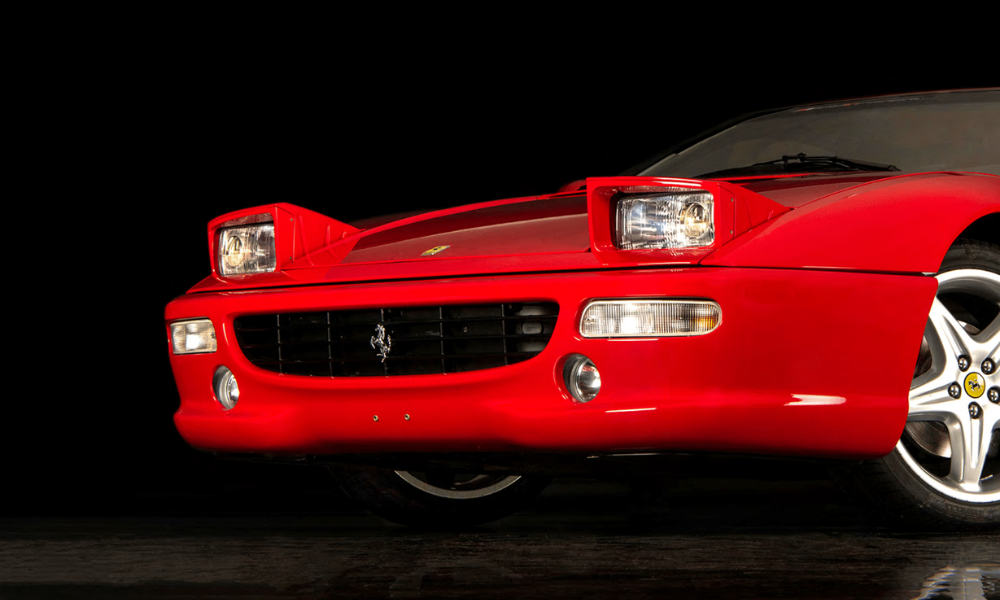
Luxury cars continue to drag amid the EV transition, while fine wines and spirits face softer consumption as buyers reduce frequency or switch to alcohol-free alternatives.
Resale market
Vintage bag online searches have more than doubled year-on-year, and roughly half of all luxury shoppers now check the secondhand market before buying anything new. In watches, connoisseurship is overtaking hype, with collectors increasingly rewarding craftsmanship and rarity.
Approximately half of luxury buyers already use AI somewhere in their purchase process, and nearly all plan to continue doing so. About one in four use it for brand and product discovery, while two in three use it for product comparison.
Bain's broader analysis finds that the meaning of luxury is shifting for consumers, moving away from social validation and toward what it describes as self-actualization, a focus on personal fulfillment over the desire to be admired.
"The appetite for luxury remains strong. The tolerance for disappointing experiences or products does not," said Federica Levato, Bain senior partner and leader of the firm's EMEA Fashion & Luxury practice. "Over 70% of customers who have left luxury intend to return – but not necessarily to the same brands. The question is whether brands are building the meaning and AI-native relevance to be surfaced and chosen when that moment arrives."