Derek Flowers, a nearly 30-year veteran, is set to retire in mid-January, handing the reins to the executive who helped lead the bank's regulatory turnaround.
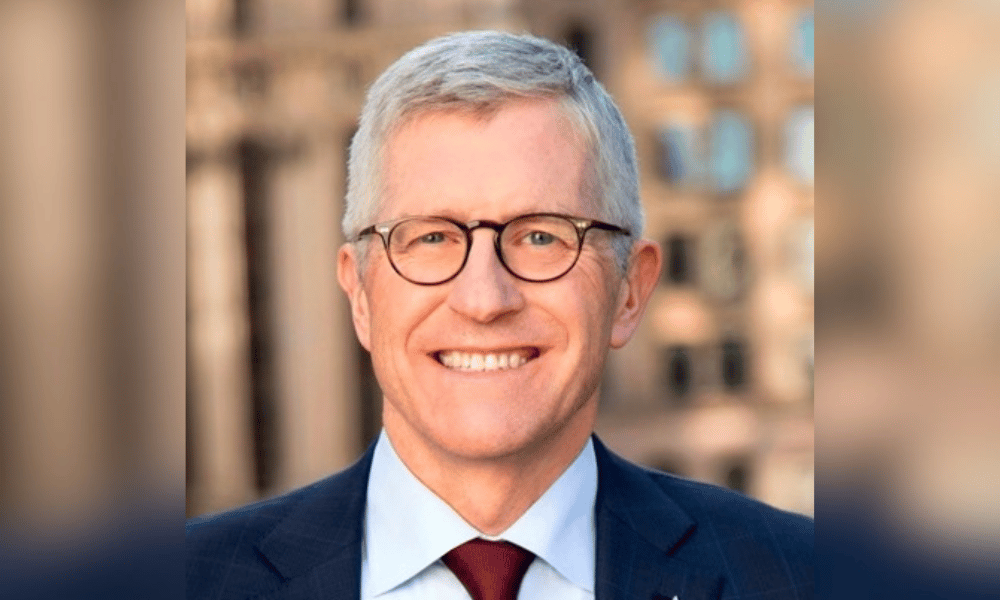
Wells Fargo & Co. is preparing a significant shift in its executive risk management structure, announcing that Chief Operating Officer Scott Powell will assume the role of chief risk officer when Derek Flowers retires in mid-January 2027.
Flowers, who has served as CRO since 2022 and spent nearly three decades at the San Francisco-based bank, said he is proud of what the team built together. The transition signals continuity at the top of a risk function that has been central to one of the most consequential corporate rehabilitations in modern banking history.
"Derek played a pivotal role in strengthening our risk and control framework and fostering the strong risk culture that positions Wells Fargo for continued growth," said Charlie Scharf, chairman and chief executive of Wells Fargo, in a statement Tuesday. Scharf added that Flowers and Powell had worked in close partnership to advance what he described as a significant transformation of the bank's risk and control capabilities.
A key figure in the bank's comeback
Powell, 62, has been COO at Wells Fargo since December 2019, arriving as one of Scharf's first major hires after the new CEO was brought in to resolve a sweeping regulatory crisis stemming from the bank's 2016 fake-accounts scandal.
Before joining Wells Fargo, Powell served as CEO of Santander Holdings USA, where he led that firm's financial and regulatory turnaround. He also held senior roles at JPMorgan Chase, including head of Consumer Banking and Lending Operations.
At Wells Fargo, Powell led the bank's multi-year operational transformation, overseeing global operations, control management, regulatory relations, customer complaints and remediations. His portfolio also included corporate security, strategic sourcing, and corporate properties.
His elevation to CRO comes at a pivotal moment. In June 2025, the Federal Reserve removed the asset growth limitation it had imposed on Wells Fargo in a 2018 consent order - a restriction that had capped the bank's balance sheet at approximately $1.95 trillion for seven years. Since 2019, Wells Fargo resolved 14 consent orders imposed by regulators, with risk remediation at the center of each resolution.
Flowers leaves a lasting institutional mark
Flowers joined Wells Fargo in 1995 and rose through a series of credit and risk roles, including chief credit officer and chief market risk officer, before being named CRO in 2022, a role he stepped into when his predecessor, Amanda Norton, retired. His tenure as CRO overlapped with the bank's most intensive period of regulatory remediation.
"I am proud of what we have accomplished together and confident that our strong risk culture, talented team and commitment to our customers position Wells Fargo for continued success," Flowers said in a statement.
Wells Fargo has not yet named Powell's successor as COO. The bank said that announcement would be made in the near future.
What the shift means for advisors
The timing of the transition matters for the wealth management industry. Wells Fargo Advisors, which houses the firm's more than 12,000 financial advisors, operates under the umbrella of the Wealth & Investment Management division and the CRO function sets the tone for risk appetite, compliance oversight, and product governance across that business.
With approximately $2.3 trillion in assets and a recently unlocked balance sheet, Wells Fargo's next chapter will test whether the risk culture Flowers helped build can scale alongside renewed institutional ambition. Financial advisors and their clients will be watching to see whether the bank's risk leadership can hold firm, even as it grows.