Analysts split on a payout worth hundreds of billions on a US$1.5 trillion carmaker
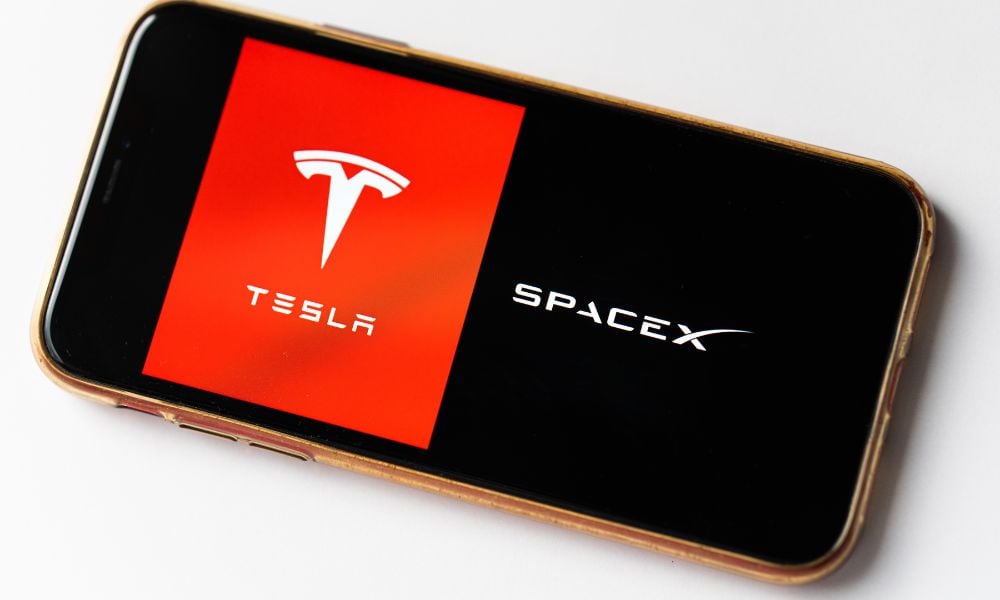
Tesla shareholders could be offered anything from no premium to 35 percent to swap their stock into SpaceX, a swing worth hundreds of billions of dollars on a company valued at about US$1.5tn.
RBC Capital Markets and JPMorgan analysts expect a premium of between 20 and 35 percent, Reuters reported, while others expect none at all.
Ross Gerber, chief executive of Gerber Kawasaki, whose firm owns both stocks, told Reuters any premium would dilute SpaceX shareholders as its spending bills rise.
Michael Monaghan of Founder ETFs said the overlap between the two shareholder bases means he does not expect a substantial premium.
Reuters reported that SpaceX disclosed in a regulatory filing on October 22 that its special committee has made no determination on a combination, and that any deal would need further approval from the committee, the board of directors, and the controlling shareholder, Elon Musk, who has recused himself from the talks.
Musk said on Tuesday that a merger “would be a good idea” but that the decision sat with special committees of independent directors at both companies.
Because he is a conflicted party, he cannot take part in those discussions, he told investors on a conference call carried by Reuters.
The committees have not agreed on terms and may never do so, he said.
According to Reuters, Musk holds about 85 percent of SpaceX’s voting power through super-voting shares and roughly 20 percent at Tesla.
Bill Birmingham, head of research at REX Financial, estimates a merger would give him about 57 percent of voting rights.
Ryan Zurrer, founder of Dialectic, puts it at 58 percent at an exchange ratio of 0.7 of one SpaceX share, the illustrative level Barclays has floated, while Barclays estimates Musk would hold about 37 percent of the equity and 56 percent of the votes.
No ratio has been negotiated. Zurrer told Reuters a ratio near 0.6 would be needed for Musk to keep control if he sold more equity, and that “the biggest hurdle will be the Tesla shareholders vote vs Elon’s own incentives”.
Musk said the Tesla side needs a majority of all shares, not just those voted, so every uncast ballot counts against a deal, Reuters reported.
Analysts flagged turnout as a risk, citing uncast broker votes at last year’s meeting.
Tesla said on Monday that its annual meeting will be held on December 3.
When Tesla bought SolarCity in 2016, a Delaware court cleared the purchase after years of litigation but said the company should have formed an independent committee.
“A deal where one man runs both sides will draw tough questions on governance,” Josh Gilbert, lead analyst for Asia-Pacific at eToro, told Reuters.
SpaceX reported revenue of US$14.58bn for the three months ended September 30, up 161 percent from a year earlier, and net income of US$4.4bn against a net loss of US$1.1bn, according to Reuters.
AI revenue rose almost tenfold to US$7.56bn, mostly from renting out data-centre capacity to developers including Anthropic, Google, and Reflection AI.
Capital expenses nearly tripled to US$19.6bn, and chief financial officer Bret Johnsen said the company expects US$35bn to US$40bn in the fourth quarter.
Tesla cut its annual capital expenditure forecast on Wednesday to roughly US$20bn from more than US$25bn, Reuters reported.
The company delivered 486,532 vehicles in the third quarter, and its shares are down about 17 percent in 2026.
Tesla shares gained more than 3 percent and SpaceX rose 11 percent on Wednesday, a move set to add about US$210bn to SpaceX’s market capitalisation if the gains held.
Technology underpinning the two valuations, including data centres in orbit, self-driving taxis at scale, and humanoid robots, has yet to reach commercial scale, Reuters reported.