Amendment 3 goes to a state-wide vote on November 3, and winter homes stay in the tax base
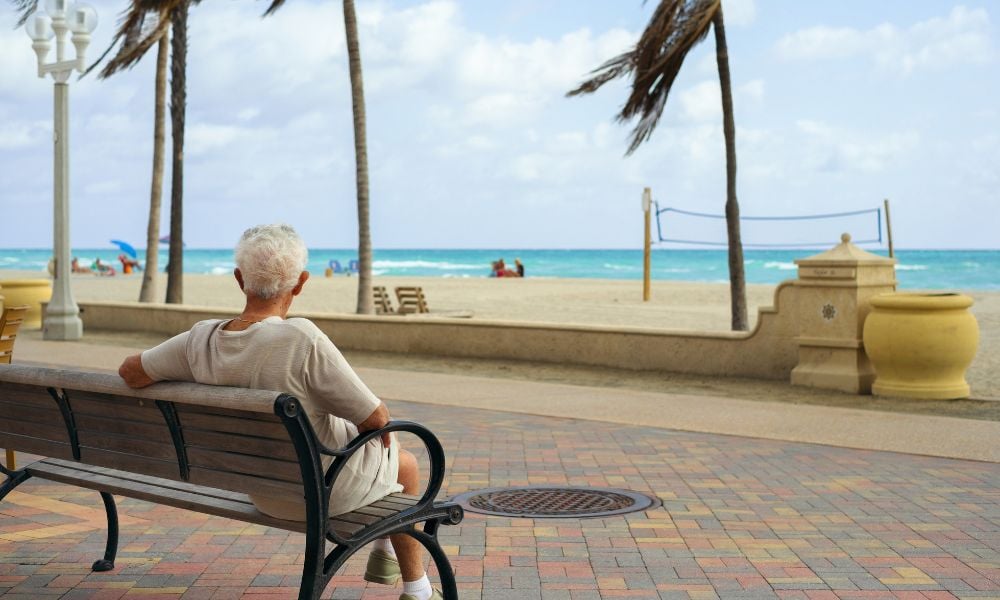
Canadian-owned winter homes in Florida would sit outside the main property tax break under Amendment 3, which goes to a state-wide vote on November 3.
Passage requires at least 60 percent support, and the measure takes effect January 1, 2027, according to Ballotpedia's entry on the amendment.
The non-school homestead exemption would rise to US$150,000 in 2027 and US$250,000 in 2028, indexed to inflation from 2029.
Homesteaded properties currently carry US$50,000 against non-school levies, built from a US$25,000 exemption applied to all levies and a second US$25,000 applied to every levy except school district taxes, the same entry states.
The US$25,000 tied to school taxes stays in place. Non-homestead properties get a narrower change.
Ballotpedia records that the annual cap on assessment increases for rental units, vacation homes, commercial properties, and apartment buildings drops from 10 percent to five percent on January 1, 2027, and that the reduction does not extend to school district taxes.
Florida is focusing on homestead, and non-homestead property including residential, Airbnb, Canadian snowbirds, and commercial is taxed, Republican Governor Ron DeSantis said in a June interview with Fox News, cited by CTV News.
In 2025, while opposing a sales tax cut, he said Canadian and Brazilian tourists should help fund Florida while residents received tax cuts, the publication reported, citing CBS News Miami.
Anyone who was not a Florida resident on December 31, and who later qualifies for a homestead exemption would receive US$50,000 against non-school levies, with the larger exemption starting in the fifth year of exemption, the ballot title states.
CTV News reported that the measure does not create a tax aimed at Canadians, and that Canadians who own properties failing to qualify for the permanent-resident homestead exemption would not receive the main tax break.
DeSantis announced the special session in Tampa on May 27, under the title “Save Our Homes from Excessive Property Taxes.”
In the release from the Executive Office of the Governor, he said, “Property tax revenue collected by local governments has nearly doubled in the past seven years and is expected to reach an astounding $83 billion by 2032. Florida homeowners need relief.”
That release puts the seven-year increase at US$32bn to US$60bn.
Ballotpedia records a 75 to 26 vote for House Joint Resolution 1 in the Florida House of Representatives on June 2, and a 30 to 9 vote in the Florida Senate the same day.
Legislative staff estimated the amendment would cut local government revenue across Florida by US$4.6bn in fiscal year 2027-28 and US$8.4bn in fiscal year 2028-29, per the same source.
According to Ballotpedia, Sadaf Knight, chief executive officer of the Florida Policy Institute, said the measure shifts costs and does not save money.
Knight said local lawmakers would have to cut local services or raise other taxes and fees to replace the lost revenue.
Bryan Desolge, chairperson of the Vote No on 3 committee, said the consequences “will shift those bills.”
According to Desolge, rent, everyday purchases, and first homes would cost more, and many small businesses could not pay an increase in commercial property taxes.
Two committees, Vote No on 3 Florida and Floridians for Shared Prosperity, Inc., had raised a combined US$639,328.34 and spent US$410,776.07 through August 14.
Ballotpedia stated it had not located a campaign supporting the measure.
A St. Pete Polls survey of 913 likely voters taken September 15 to September 17, with a margin of error of 3.20 percentage points, recorded 44.9 percent support, 30.4 percent opposition, and 24.8 percent undecided.