Kevin Warsh defends Fed’s independence while Trump and legal probes raise policy uncertainty
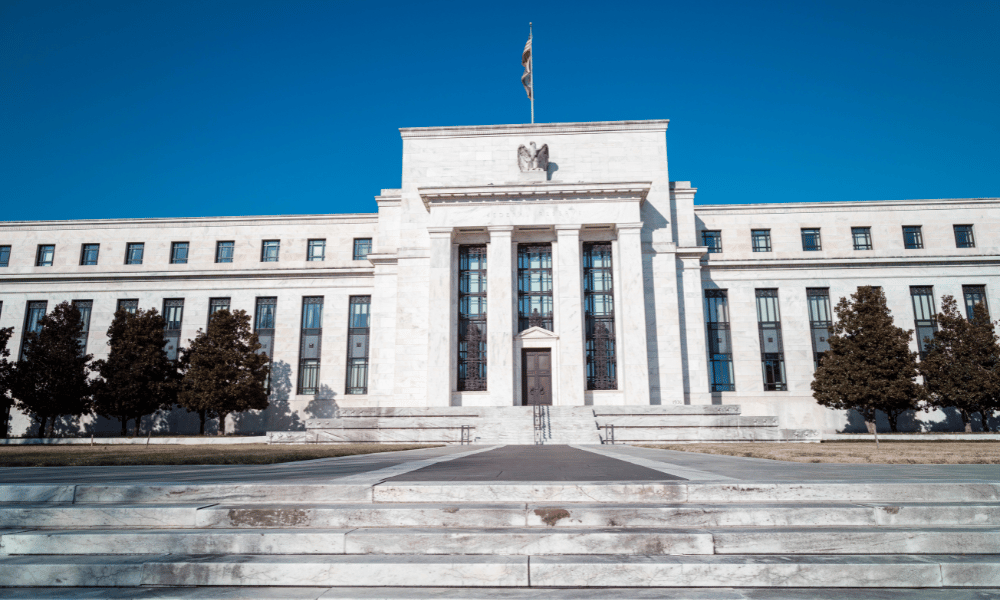
Kevin Warsh, the nominee to replace Jerome Powell at the US Federal Reserve, calls low inflation the Fed’s “plot armour” and insists that “inflation is a choice” — even as US President Donald Trump pushes hard for steep rate cuts.
According to Reuters, Warsh plans to tell the Senate Banking Committee he will keep monetary policy strictly independent, even as he works with the administration and Congress on non-monetary parts of the Fed’s mandate.
He says the Fed has the most independence in how it runs monetary policy, but that this freedom does not cover all of its congressionally mandated roles, such as overseeing public money, regulating and supervising banks, and handling international finance.
Warsh links the defence of independence directly to inflation control.
As per Reuters, he casts low inflation as the Fed’s “plot armour, its vital protection against slings and arrows,” and argues that high inflation causes “grievous harm” and weakens trust in “our system of economic governance.”
He maintains that “inflation is a choice, and the Fed must take responsibility for it,” faulting officials for blaming the post‑pandemic spike on supply shocks.
That stance collides with open political pressure.
CNBC report that Trump wants significantly lower interest rates, has repeatedly attacked Powell — sometimes in starkly personal terms — and has said he would only nominate someone he was confident would lower borrowing costs.
Reuters said Trump thinks the policy rate should be cut to 1 percent.
According to CNBC, Trump has also tried to remove Governor Lisa Cook from office; her lawsuit to block her ouster is now before the US Supreme Court.
Warsh does not argue that politicians should stay silent on policy.
He says he does not believe “the operational independence of monetary policy is particularly threatened when elected officials — presidents, senators, or members of the House — state their views on interest rates.”
Instead, the New York Times reports that he will say central bankers must be strong enough to listen to a range of views and humble enough to stay open to new ideas and developments, while being “wise enough to translate imperfect data into meaningful insight.”
He also draws a sharper boundary around the Fed’s remit.
CNBC notes that Warsh faults the central bank for “mission creep” into climate change and social inequality and insists that “the Fed must stay in its lane.”
He argues that its independence faces the greatest risk when it drifts into fiscal and social policy areas where it lacks authority and expertise.
According to the New York Times, he will say the Fed should not function as a general-purpose government agency or as an appeals court for political disputes.
The nomination itself sits under legal and political cloud.
The Times report that the US attorney’s office in Washington, DC, has opened a criminal investigation into Powell’s handling of a multibillion‑dollar renovation of the Fed’s headquarters.
Senator Thom Tillis of North Carolina has vowed to block any Fed nominee from moving out of committee until those legal threats end, according to CNBC.
Powell has pledged to stay on as chair until the matter is resolved, CNBC said, and several legislators have indicated that Warsh will not be confirmed until then, Reuters reported, making it unlikely he will be in place when Powell’s term ends on 15 May.
For markets, Warsh brings a long paper trail.
Reuters notes that he served as a Fed governor from 2006 to 2011, was a key adviser to Ben Bernanke during the global financial crisis, opposed the open‑ended expansion of the Fed’s balance sheet and helped arrange “multibillion-dollar, taxpayer-funded capital infusions” for major institutions.
Senator Elizabeth Warren wrote in a letter cited by the outlet that Warsh “failed to meaningfully identify or address the risks associated with subprime mortgages and derivatives” and “played a central role” in arranging those rescues.
After leaving the Fed, Warsh became an adviser to billionaire Stanley Druckenmiller and built a personal fortune “in excess of US$100m.”
The New York Times reports that, at Stanford’s Hoover Institution, he has aligned himself with critics of unconventional monetary policy and praised rule‑based frameworks inspired by Milton Friedman and John Taylor, calling such approaches “aspirational” without committing to use them mechanically.