
IEEPA refunds hand small firms a rare chance to turn past pain into fresh cash
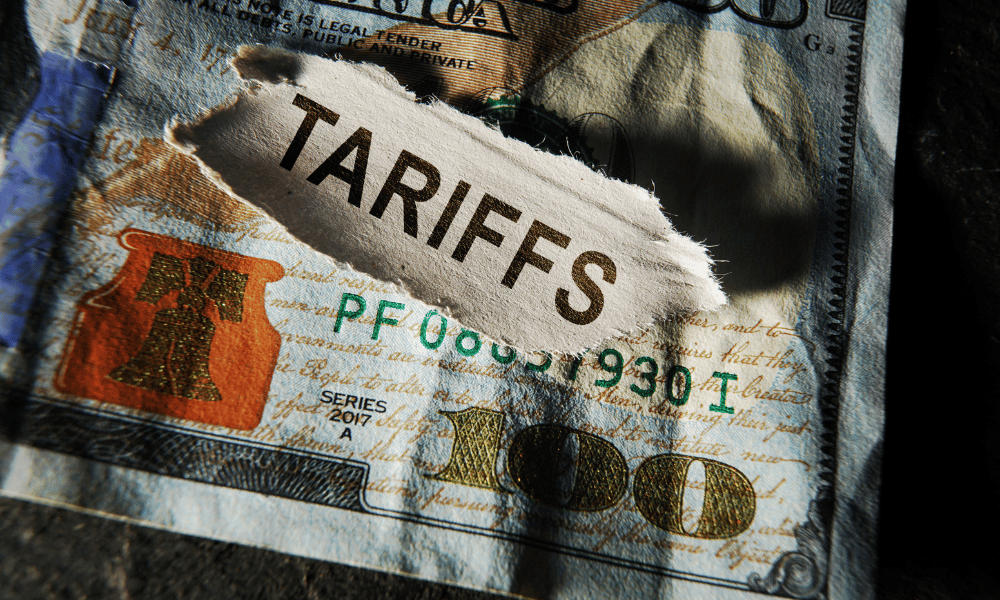
Small Canadian exporters that swallowed hefty US tariffs over the past year may now claw some of that money back – but only if they stood as the “Importer of Record” and can work through a new US customs portal.
According to the Canadian Federation of Independent Business (CFIB), many Canadian businesses paid US tariffs of about 35 percent on non-CUSMA compliant goods exported to the United States between February 4, 2025, and February 24, 2026, under the International Emergency Economic Powers Act (IEEPA).
The US Supreme Court struck down these IEEPA tariffs on February 20, creating a path to refunds.
CFIB reports that roughly one-third of small Canadian exporters faced tariffs on goods that did not qualify for CUSMA exemptions, and about 26 percent of those firms were the Importer of Record and should qualify for rebates.
Others cut prices or cost-shared the tariffs with US customers to preserve relationships, and they will not benefit from this relief.
The crucial condition is who appeared on US customs documents.
CFIB notes that refunds will go to the parties listed as importers of record, because they bear legal responsibility for the shipments entering the United States.
Only the Importer of Record or its authorised customs broker can submit a claim.
CFIB explains that if a US customer or distributor was the Importer of Record, the Canadian exporter cannot file directly; the US party must submit the protest or refund claim.
The organisation urges Canadian firms to contact their US partners quickly to confirm whether they will file and how they will handle any refund, warning that many exporters assume they can file themselves and only realise later that they cannot, which risks missed deadlines.
To administer refunds, US Customs and Border Protection (CBP) has introduced a new Consolidated Administration and Processing of Entries (CAPE) tool inside its Automated Commercial Environment (ACE) portal.
The CFIB says phase 1 of CAPE launches on April 20 for standard entries that are unliquidated or within 80 days of liquidation.
However, it notes that more complex entries, including those “flagged for reconciliation,” under protest or tied to Duty Deferral, Temporary Importation under Bond or Drawback, will not be processed at first because of technical limits in the new system.
Importers and brokers must submit CAPE Declarations through the ACE web portal.
CFIB reports that declarations will list the entry numbers for which importers seek IEEPA duty refunds, with each declaration able to include up to 9,999 entries and additional declarations allowed.
Once CBP accepts a declaration, ACE will remove the IEEPA tariff provision and associated duties from the entry, allowing liquidation or reliquidation to move ahead.
CFIB underlines that importers need an active ACE Secure Data Portal account and must provide US banking information for Automated Clearing House refunds through that portal; without this, CBP will not pay any refund.
CBP expects most valid IEEPA duty refunds to be issued within 60 to 90 days after CAPE acceptance, although additional compliance reviews can lengthen the process.
On costs, CFIB says customs protests are generally low-cost compared with litigation, with no government filing fee.
Businesses that file directly through ACE face little to no out-of-pocket expense if they understand the system and protest requirements, though errors can delay or jeopardise a claim.
CFIB adds that most SMEs use customs brokers who charge modest administrative fees that tend to be small relative to potential refunds, and that even many small, frequent shipments can add up over time, making claims worth pursuing.
However, the current relief does not touch sectoral tariffs on steel and aluminum, cars, softwood lumber or furniture, which were not imposed under IEEPA and remain in effect.
CFIB president Dan Kelly warns that these sectoral measures continue to have “a deep impact on many Canadian small firms” and argues that “progress on a renewed CUSMA agreement can't come soon enough.”


