Firm to launch bond sale as post-IPO collapse extends into a third day as rising rate expectations and an ESG downgrade pile pressure on Musk's $2T company
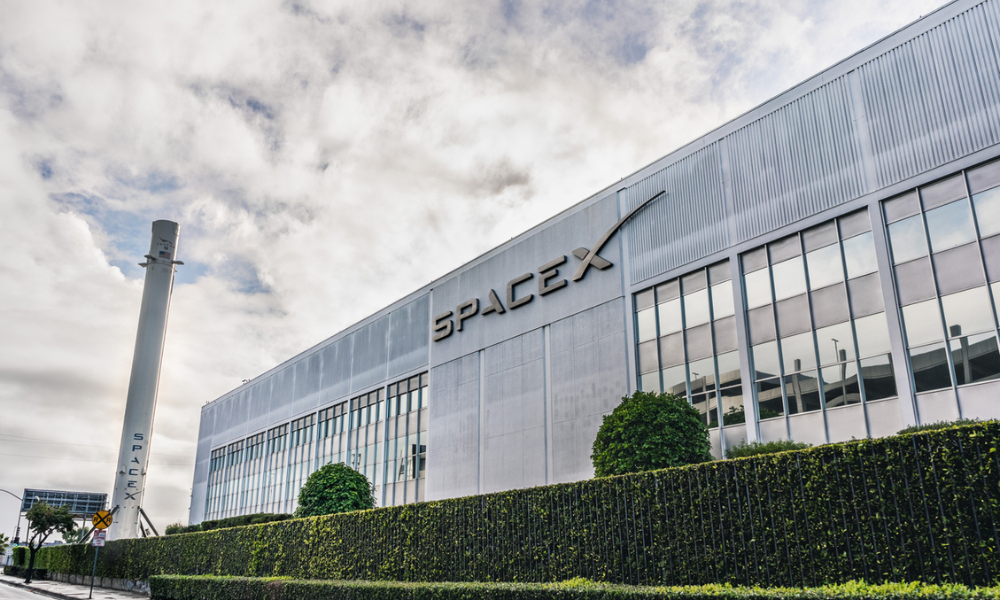
Elon Musk’s net worth has dropped by more than $300 billion as the decline extended into a third consecutive session, falling from an all-time high of $1.45 trillion to just under $1.1 trillion, according to Forbes estimates. Monday's drop alone erased more than $152 billion from his estimated wealth.
Musk holds a roughly 38% stake in SpaceX, comprising 4.8 billion shares plus an additional 350 million stock options with an exercise price of $8.40 per share.
The world's richest man stands to receive one billion additional SpaceX shares, worth hundreds of billions at current valuations, if he manages to settle a million humans on Mars, according to Fortune. The compensation arrangement, buried in SpaceX's IPO prospectus filed last month, also requires the company to hit 15 market cap milestones reaching $7.5 trillion.
The timeline to put any humans on Mars remains vague. Prediction markets put the odds of humans reaching Mars by 2030 at under 20%, uncrewed cargo missions are targeted for 2028, and the prospectus itself acknowledges key technologies don't yet exist. Musk must also still be CEO when any colony is certified.
SpaceX has lost more than $400 billion in market value in a single trading session, compounding what has become one of the most dramatic post-IPO reversals in Wall Street history.
According to FT analysis of Bloomberg data, the one-day hit to SpaceX's market capitalisation ranks as the second-largest suffered by any company on record. Shares fell 16.4% on Monday to close at $154.60, leaving the stock 31.5% below the peak of $225.64 reached on June 16, just days after the company's $86bn IPO on June 12. The shares were listed at $135.
The rout extended into Tuesday, with SpaceX shares falling a further 3% or more in premarket trading, according to CNBC. At Monday's close the company's market cap stood at $2.03 trillion, down from an intraday high of nearly $3 trillion reached earlier this month.
Bond sale
Rising bond yields have been a central driver of the pressure on SpaceX stock as two-year Treasury yields climbed 0.05 percentage points on Monday to 4.23%, their highest level in more than a year, as markets moved to price in a potential Federal Reserve rate rise as soon as September.
A further blow came from MSCI, one of the world's largest index providers, which reportedly awarded SpaceX a CCC rating, its lowest on a seven-tier sustainability scale, declaring the company was "lagging its industry" due to its exposure to and handling of significant ESG risks.
Even as its share price retreated, SpaceX moved ahead with plans to raise fresh capital through debt markets. The company launched an inaugural senior unsecured notes offering on Monday, disclosing it held $100.8 billion in cash and cash equivalents as of June 19.
According to CNBC, sources familiar with the matter indicated SpaceX is aiming to raise $20 billion, with the sale expected to begin as early as Tuesday. Proceeds will be directed toward repaying a $20bn bridge loan taken out in March when Musk folded his debt-laden AI venture xAI, along with social media platform X, into the rocket company.
On Monday, SpaceX also announced a computing resources agreement with AI startup Reflection, granting the company access to Musk's Colossus 2 data centre infrastructure. Similar arrangements have been struck with Anthropic and Google parent Alphabet in recent months, positioning SpaceX as a compute-leasing operation in the style of CoreWeave.
The broader market was unsettled by the volatility with the Nasdaq Composite down 1.3% on Monday, with Google, Amazon and Broadcom each losing more than 4%.